



Hearing Loss
Hearing Loss Prevention: How To Protect Your Hearing
The Core Elements of Hearing Loss Prevention

3 Pillars of Hearing Loss Prevention
Looking to build better habits? It helps to let the three pillars of hearing loss prevention guide your daily health choices.
The Prevention of Noise-Induced Hearing Loss
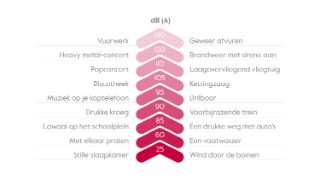
How Loud is Too Loud?
Sound intensity is measured in decibels. See how different decibel levels can impact your hearing health and when to take precautions.
Practical Ways to Protect Your Hearing
Healthy Habits & Exercises
Choose (and Wear) the Right Ear Protection
Monitor Headphone Levels
Address Earwax Buildup (But Skip the Q-Tip)
Avoid Flying with a Cold
Minimize Ototoxic Medications
Talk to a Hearing Health Care Provider

How to Prevent Hearing Loss at Concerts
Don’t let hearing your favorite bands today affect your ability to enjoy them down the road. When it comes to preventing hearing loss at concerts, our main advice is simple: wear ear protection! Specially designed concert earplugs allow you to hear the music clearly while protecting your ears.
Recreational activities such as riding motorcycles, fishing, shooting sports, and renovations can pose serious risks to your hearing health.
We put together expert tips for protecting your hearing outdoors so you can enjoy nature safely.

Hearing Loss Prevention in the Workplace
Many individuals face a higher risk of auditory damage simply because of their careers.
- Factory workers. In addition to loud machinery, industrial fans run all day. Reduce noise at the source by adding silencers and wearing proper PPE.
- Construction workers. Earmuffs or heavy-duty earplugs are an absolute requirement on job sites, especially since a power drill or a jackhammer can reach or exceed 90-130 dBA.
- Musicians. Drum and amp sounds easily exceed 100 dBA. Noise-canceling monitors or filtered earplugs are highly recommended, especially for longer sets.
- Military. Hearing loss and tinnitus are the most common service-related injuries, often due to sudden explosions, ship engines, or even gunfire.
- Airport workers. With jet engines reaching over 140 dBA on takeoff, high-grade earplugs or muffs are mandatory on the tarmac.
Knowing about and planning for workplace risks ahead of time can help prevent hearing loss! Learn how awareness campaigns like National Safety Month work to spread the word about workplace safety.
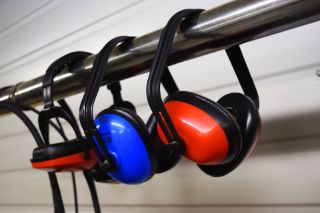
Special Considerations: Seniors and Hearing Aids
As we age, protecting our hearing becomes even more important. When exploring how to prevent hearing loss in elderly individuals, in addition to the recommendations above, the focus shifts to:
- Managing chronic conditions such as hypertension (which accelerates age-related hearing loss)2
- Reducing stress
- Scheduling regular hearing exams.
Do Hearing Aids Prevent Further Hearing Loss? No, hearing aids cannot physicially prevent hearing loss. However, they can play an important role in preventing auditory deprivation. By continuously stimulating the auditory pathways, hearing aids help the brain retain its ability to process sound, preserving speech comprehension and preventing cognitive decline.

- National Library of Medicine (2025). A Comparative Evaluation of Hearing and Psychological Distress in Smokers and Non-smokers: A Cross-Sectional Study.
- National Library of Medicine. (2025). Association between hypertension and hearing loss: a systemic review and meta-analysis.



Good hearing matters


