


Hearing Loss and Heart Disease
When you think about heart health, you may immediately think about chest pain, cholesterol levels, or blood pressure. However, medical research increasingly suggests that your ears may provide some of the earliest warning signs of cardiovascular issues. Today, more and more healthcare professionals recognize a holistic approach to wellness, recognizing that hearing loss and heart disease are more closely linked than previously realized.
What’s your Hearing Number? Take our online quiz to get a better understanding.
Because the inner ear is so sensitive to blood flow, it can serve as a canary in the coal mine for the rest of the cardiovascular system. Here’s why:
Your inner ear is a delicate and complex system that relies on a steady supply of oxygen and nutrients to function properly. Since the heart ensures efficient circulation of blood throughout the body, damage to it can reduce or restrict blood flow.
When that happens, it can damage the delicate hair cells that transmit sound signals to the brain, resulting in hearing loss.1
Restricted Blood Flow
As a result, you may experience hearing loss, tinnitus, or other auditory issues.
Backed By Science
Cardiovascular Comorbidities With Hearing Loss in the ”Oldest Of Old"
This study examined the relationship between cardiovascular disease (CVD) and hearing loss among individuals aged 80 years or older.3
The result: Coronary artery disease emerged as the most influential factor in its correlation with audiometric thresholds. The condition was associated with hearing loss across all frequencies, suggesting it may impair an individual's hearing abilities across the board.
More recent findings have shown that people at high risk of developing CVD are more likely to experience hearing loss than those at low risk.4
One of the most significant indicators is low-frequency hearing loss and cardiovascular disease. Unlike typical age-related hearing loss, which can start with high-pitched sounds, low-frequency loss affects ones like traffic or thunder. Research suggests that this specific pattern can be an early predictor of potential heart events, sometimes appearing years before other symptoms.5
Visible Signs: Creases and Wrinkles
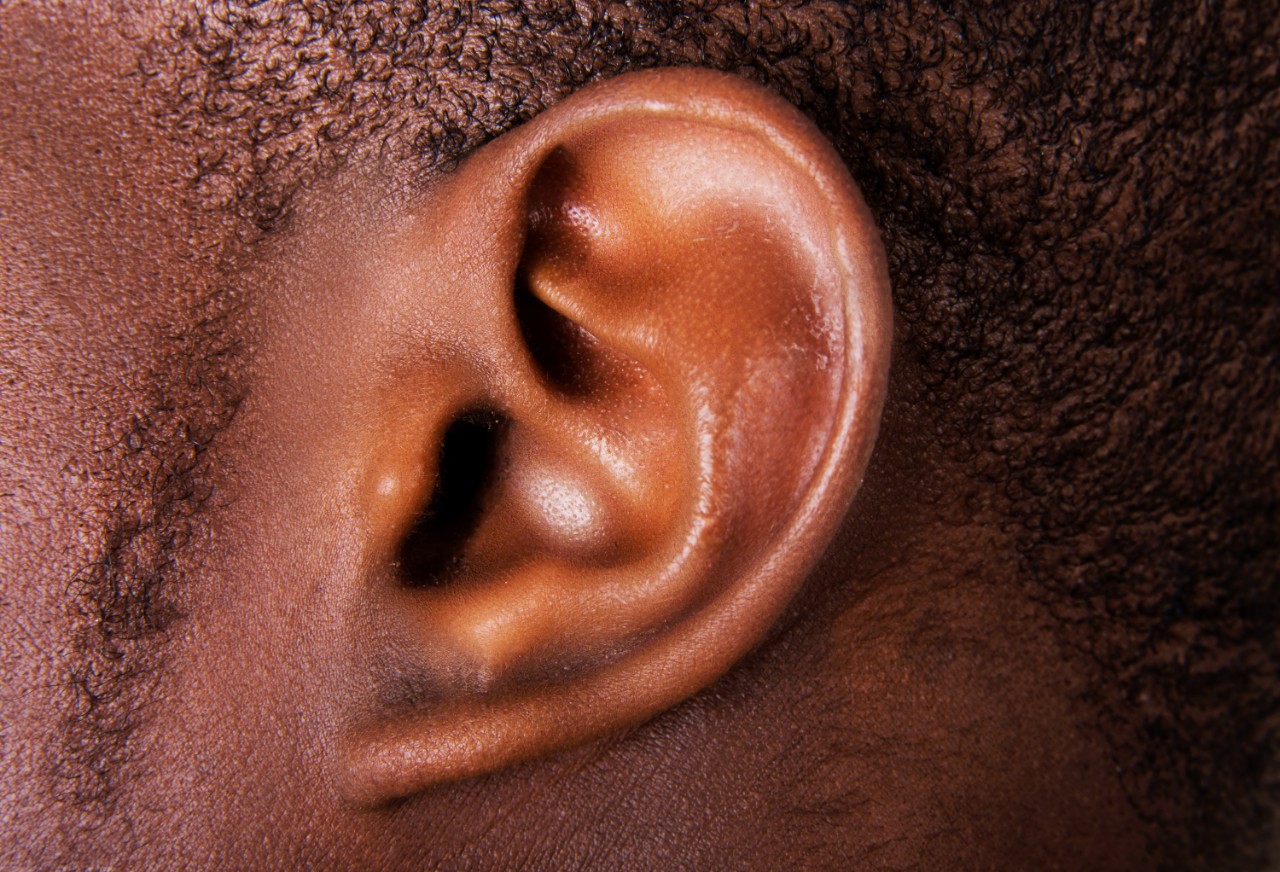
Beyond what you hear, what you see in the mirror might also tell a story. For decades, clinicians have observed a correlation between a specific crease in the earlobe and heart disease.
- Frank’s Sign. The medical term for a diagonal wrinkle on the ear and heart disease indicator. Frank’s sign ear creases run at a 45-degree angle from the tragus to the back of the earlobe.6
The Science Behind It: While not a definitive diagnosis on its own, studies suggest that the loss of elastin and the breakdown of small blood vessels that cause this crease may mirror the same process happening in blocked heart arteries. If you notice a deep earlobe crease, it’s a good idea to mention it during your next physical.
Tinnitus and Heart Disease: Is There a Connection?
Some evidence suggests a potential link between heart disease and tinnitus. Atherosclerosis may also be a risk factor for Pulsatile tinnitus, a rare but serious tinnitus typically described as a rhythmic sound that matches the beat of the person's heart.
The phenomenon is often caused by a blood vessel or vascular issue near the ear, which can produce a pulsing or whooshing sound synchronized with the heartbeat.
High blood pressure may trigger pulsatile tinnitus, and certain medications used to treat heart conditions may contribute to tinnitus as a side effect.
If you or a loved one experiences pulsatile tinnitus, seek medical evaluation immediately. There may be a serious arteriovenous malformation, which could be fatal.
Subtle Symptoms: Pain and Earwax
There are several other heart disease symptoms connected to your ear health that should be monitored:
- Ear Pain and Heart Disease. While infections cause most earaches, referred pain can occur. In some cases of acute cardiac events, nerves that supply the heart can send pain signals to the jaw or ears, because the ear canal sits directly above the jaw joint.7
- Ear Infections and Heart Problems. Chronic inflammation is a known risk factor for both recurring infections and cardiovascular issues, suggesting that a history of ear health struggles may warrant a closer look at systemic health.
Protect Your Heart and Your Hearing
Luckily, your lifestyle choices can help protect your heart and also preserve your hearing. Here are a few ways to support both:
Stay Active
Monitor Your Numbers (Including Hearing Numbers)
Eat for Longevity
Limit Salt
Quit Smoking
Reduce Stress
There are several ways to reduce stress and improve heart health, including:
- Practice relaxation techniques (deep breathing, meditation, and yoga).
- Establish a regular sleep routine and work to get enough sleep.
- Engage in regular physical activity (walking, jogging, or cycling).
- Spend time with loved ones and engage in social activities.
- Set realistic goals and prioritize tasks to avoid feeling overwhelmed.
- Avoid overcommitting and learn to say "no" when necessary.
- Take breaks throughout the day and engage in activities you enjoy.
- Take time for self-care, such as taking a warm bath, reading a book, or listening to music.
Protect Your Hearing
Get Screened
Because hearing loss can be an early warning sign, regular hearing tests should be part of your routine medical care — you should know your Hearing Number.
Luckily, our clinic locator makes it easy to find a clinic near you!

Listen to Your Heart
Amplifon Hearing Health Care is dedicated to more than just better hearing; it's about your total well-being. If you have noticed changes in your hearing, our experts are here to help.
Don’t wait for a sign. Your ears might already be telling you something important. Request an appointment with a hearing health care professional today.
Sources
1. Science Direct. Cochlea Blood Flow.
2. Johns Hopkins Medicine. Atherosclerosis.
3. National Library of Medicine (2018). Association of Cardiovascular Comorbidities With Hearing Loss in the Older Old
4. National Library of Medicine (2023). Relationship of cardiovascular disease risk and hearing loss in a clinical population.
5. National Library of Medicine. (2018). Association between audiometric patterns and probabilities of cardiovascular diseases
6. The American Journal of Medicine (2024). Frank's Sign and Cardiovascular Risk: An Observational Descriptive Study.
7. National Library of Medicine. (2018). Myocardial Infarction Presenting as Ear Fullness and Pain.
8. National Library of Medicine. (2021). Cigarette Smoking, Smoking Cessation and Risk of Hearing Loss in Women.

Get your hearing checked at a clinic in your area
Request a hearing evaluation
Request an appointment at a hearing care provider near you.
We appreciate you reaching out to us.
Our hearing care advocates will call you shortly and help answer all your questions.


Good hearing matters


