


Why Do My Ears Get Hot All Of A Sudden?
Common Causes and How to Find Relief
Have you ever experienced that uncomfortable feeling where your ears suddenly become hot and red for no apparent reason? While this happens to many people and can be harmless or temporary, it may also indicate an underlying medical condition or lifestyle issue, particularly if other symptoms accompany it.
In this article, we'll delve into the various reasons behind hot ears and explore the topic of red ear syndrome.
Hot Ears: What It Means
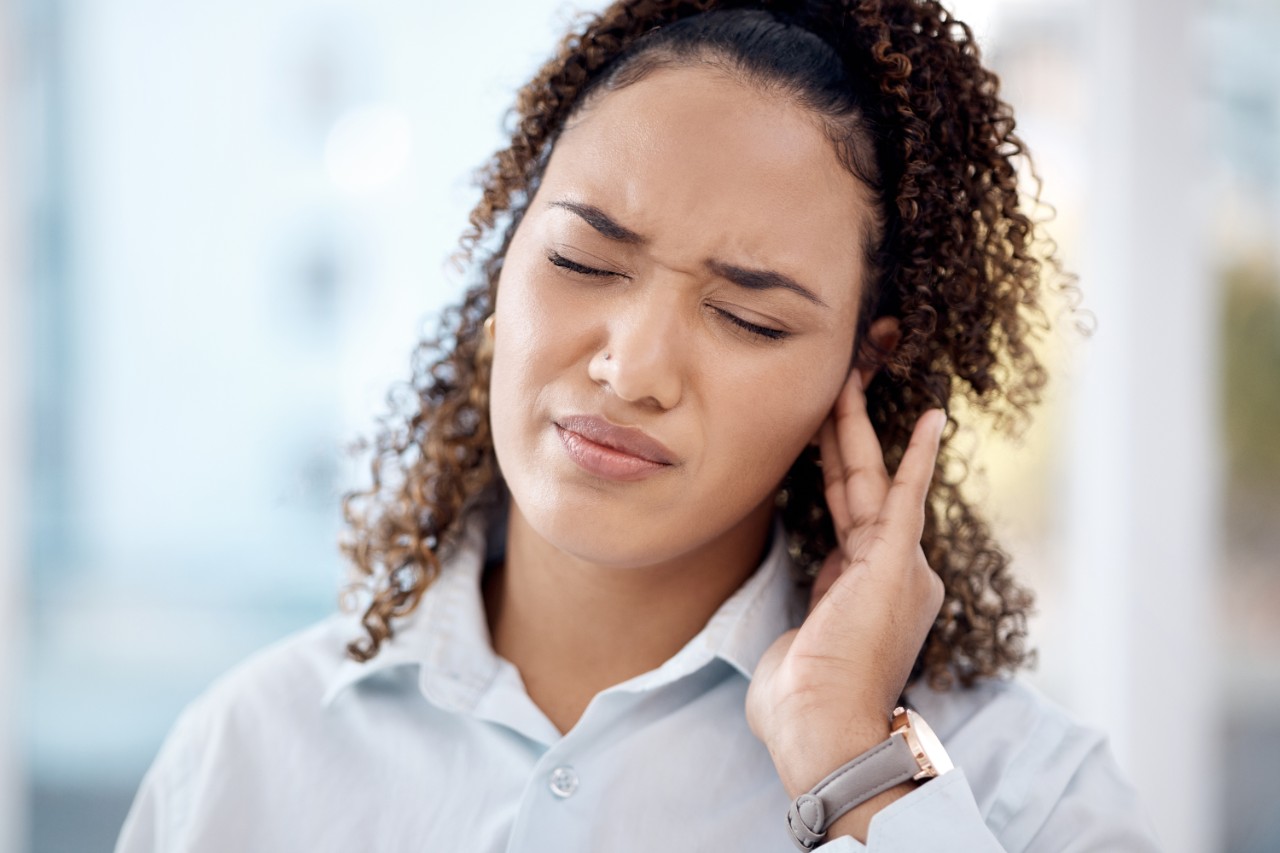
The term "hot ears" refers to the feeling of warmth or redness in the outer part of the ear. This sensation usually occurs suddenly and can be noticeable to you and those around you due to the sudden change in the color of your ears.
Understanding the Different Parts of Your Ear
The outer part of the ear, also known as the pinna or auricle, is the visible portion of cartilage covered by skin. When sound waves enter the pinna, they travel through a narrow passageway known as the ear canal, ultimately leading to the eardrum.
The middle and inner ear are located deeper inside the skull and are not visible from the outside.
- The middle ear contains the three smallest bones in the human body that help amplify sounds.
- The inner ear converts sound waves into electrical signals that the brain can interpret.
Why Are My Ears Feel Hot Inside and Red?
It's important to note that issues with the pinna, such as red or hot ears, are usually not a sign of damage or infection. While it is possible to develop an infection in the outer ear that causes redness and warmth, there are more common reasons to explain why people experience these symptoms.
Below, we explore a few.
Environmental Factors
One of the most common causes of hot ears is exposure to extreme temperatures. For instance, if you're outside on a hot summer day or in a room with a high temperature, your ears may turn red as blood vessels in your skin dilate to release heat.
Similarly, if you're outside on a cold winter day or in a room with low temperature, your ears may turn red as blood vessels in your skin constrict to conserve heat.
The phenomenon is a normal physiological response in both cases and should subside once you return to a comfortable temperature.
Lifestyle Choices
Certain lifestyle choices can also cause hot ears.
- Drinking alcohol can cause your ears to flush and turn red, as alcohol dilates blood vessels and increases blood flow to the skin.
- Consuming spicy foods or hot beverages can also cause your ears to turn red due to the release of histamines, which cause blood vessels to dilate.
- Smoking is another potential culprit, as it constricts blood vessels and reduces blood flow to the skin, which can lead to red ears.
Your Emotions
Strong emotions such as anger, embarrassment, or excitement can cause hot ears. The reason? Your body releases adrenaline and other stress hormones in response to these emotions, which can cause blood vessels to dilate and increase blood flow to the skin.
While this is a normal response, it can be uncomfortable and embarrassing, especially in public.
Medical Conditions
Hot ears may sometimes be a symptom of an underlying medical condition.
- Rosacea is a chronic skin condition that causes redness and flushing of the skin, including the ears.
- Lupus, a chronic autoimmune disease, can also cause redness and inflammation of the ears.
- Eczema is a chronic skin condition that causes red, itchy, and inflamed patches on the skin. If it affects the skin around the ears, it can cause redness and warmth in the area.
- Psoriasis is a chronic autoimmune disease that causes skin cells to build up rapidly, resulting in dry, itchy, and scaly patches on the skin and ears.
Other potential medical causes include:
- Allergies
- Infections
- Hormonal imbalances
Finding Relief from Hot Ears
Cool the area
One of the most effective ways to relieve red ears is to apply a cool compress to the affected area. You can use a cold washcloth or a bag of frozen vegetables wrapped in a towel.
Applying a cool compress for 10-15 minutes at a time can help reduce redness and swelling.
Avoid any irritants
If you think something is triggering red ears, such as specific weather conditions, certain foods, a new hair product, or maybe a hat that's too tight and rubbing up against your ears, you'll want to remove yourself from these possible irritants.
Use aloe
If your ears are hot and red due to sunburn, aloe - a natural anti-inflammatory, can help soothe the damaged skin. You can apply aloe vera gel directly to your ears or look for a moisturizer that contains aloe vera.
If you're experiencing pain or discomfort along with the hot ears, contact your local hearing care provider for support and guidance.
What Is Red Ear Syndrome?
Red ear syndrome is a rare condition characterized by recurrent episodes of unilateral or bilateral ear redness and burning sensations.
The cause of this condition is not fully understood, but it's believed to be related to dysfunction of the autonomic nervous system.
Some potential triggers include:
- Stress
- Anxiety
- Exposure to cold temperatures
While there is no cure for red ear syndrome, treatment options include medications to control symptoms and lifestyle modifications to reduce triggers.
Hot Ears and Your Hearing Health
As mentioned earlier, issues with the outer ear are typically not related to hearing loss. The external ear collects sound and transmits it to the middle ear. It does not play a role in the processing of sound, which occurs in the inner ear and the auditory nerve.
Hearing loss is more commonly associated with problems in the middle or inner ear.
- Middle ear issues, such as fluid buildup or damage to the eardrum, can interfere with the transmission of sound to the inner ear.
- Inner ear issues, such as damage to the hair cells or the auditory nerve, can affect the processing of sound signals.

Start your journey to better hearing with Amplifon
-
6,000+ National providers
![clinic locations]()
-
Average of 68% off MSRP*
![cash]()
-
60-day risk-free trial**
![hearing aid]()
-
Free follow-up care**
![care]()


Restore the sounds of your life today!
Use our online tool to check your benefits, and connect with a local provider.
We appreciate you reaching out to us.
Our hearing care advocates will call you shortly and help answer all your questions.*Based on 2024 internal pricing analysis. Your savings may vary.
**Care package details vary by plan. Exclusions and limitations may apply. Separate care packages may be available through your provider. These care packages are not included in your Amplifon benefit and may result in additional out-of-pocket cost. Contact Amplifon (888-713-7659) for details.



Good hearing matters


