


Understanding the Connection Between Sleep Apnea and Tinnitus

About 1 billion people worldwide suffer from sleep apnea, a sleep disorder in which breathing repeatedly stops and starts when a person is sleeping. But is there a connection between sleep apnea and tinnitus? Evidence suggests that there is. Read on to explore this surprising connection.
Can Sleep Apnea Cause Tinnitus?
Research has shown a high correlation between individuals with sleep apnea and those experiencing tinnitus. Interesting findings came from a study done by the National Library of Medicine in 2022. 66% of its participants had tinnitus, a much higher rate than the general population. In this study, daytime sleepiness (measured by the Epworth Sleepiness Scale) was a strong predictor of tinnitus, suggesting that sleep disturbances in obstructive sleep apnea may contribute to auditory issues.


How Sleep Apnea Affects Hearing and Tinnitus
There are two primary theories to explain this potential connection:
- Sleep apnea reduces oxygen levels, potentially damaging cochlear cells in the ear.
- Poor sleep can exacerbate how tinnitus feels, making the symptoms harder to ignore.
However, it’s worth noting that this 2024 study indicates it’s “unclear whether sleep apnea is associated with tinnitus in adults” which means more research needs to be done.
Can Tinnitus Cause Sleep Apnea?
Though sleep apnea can exacerbate symptoms of tinnitus, there’s not a body of evidence to suggest that tinnitus directly causes sleep apnea.
However, if you already have tinnitus, it may exacerbate your sleep apnea symptoms by keeping you awake at night.

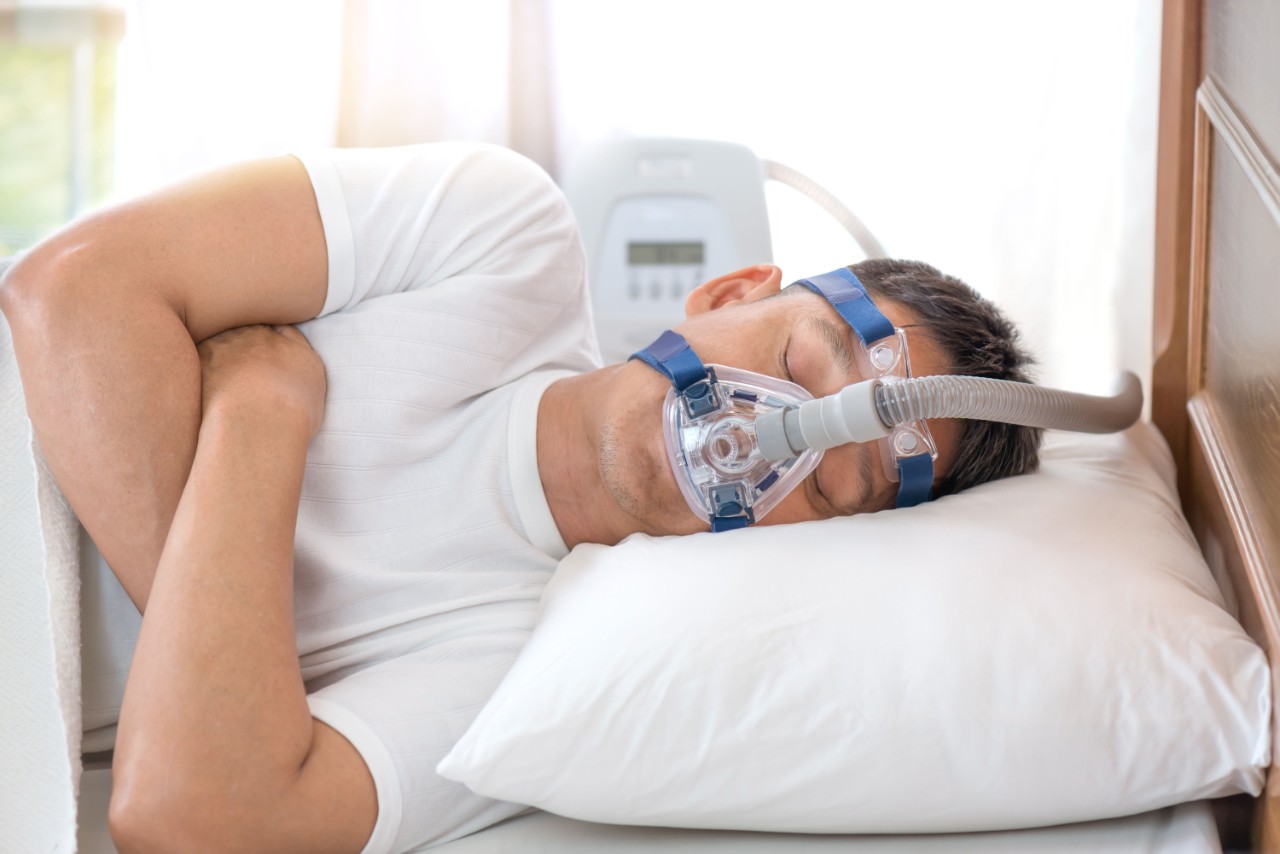
CPAP and Tinnitus: How a CPAP Can Help
A CPAP machine (Continuous Positive Airway Pressure) is commonly used for sleep apnea patients. It takes in room air, filters, and pressurizes it before delivering it through a tube into the mask. The continuous flow of air gently prevents the tongue and soft palate from shifting too far into the airway.
A CPAP can help with tinnitus in the following ways:
- Oxygen levels. A CPAP reduces stress on the heart and improves circulation.
- Glucose control. The flow of air helps manage diabetes, which is linked to tinnitus.
- Blood pressure. Breathing more evenly throughout the night lowers the risk of hypertension-related tinnitus.
While a CPAP isn’t a cure for tinnitus, treating sleep apnea can reduce symptoms and improve overall health.
Can a CPAP Make Tinnitus Worse?
Sleep Apnea Secondary to Tinnitus
Many veterans experience tinnitus due to exposure to loud noises during service, and this condition can contribute to sleep disturbances, including sleep apnea. Because of this connection, the United States Department of Veterans Affairs (VA) recognizes sleep apnea as a secondary condition to tinnitus, which means veterans may be eligible for an increased disability rating and higher compensation.
To prove this connection, the first step is generally a C&P exam for sleep apnea secondary to tinnitus. This exam, which is scheduled through the VA, helps determine if the disability is service-related.
To qualify for a VA rating for sleep apnea secondary to tinnitus, you’ll also need to provide:
- Medical records
- Sleep study results
- Doctor's nexus letter proving the connection between tinnitus, sleep apnea, and military service.
Veterans seeking to file a secondary claim for sleep apnea should complete VA Form 21-526EZ and seek assistance from a Veterans Service Officer or VA disability attorney to maximize their benefits.
How Do I Know If I Have Sleep Apnea?
Though over 1 billion people worldwide have sleep apnea, many don’t know that they have it. Here are some common symptoms of sleep apnea:
- Feeling tired during the day, even after a full night of sleep
- Loud snoring
- Dry mouth and sore throat from snoring during the night
- Headaches in the morning
- Frequently waking up at night
If you notice any of these symptoms, visit your primary doctor, who may suggest a sleep study to test further. While waiting to visit the doctor, consider using noise therapy to reduce the impact of tinnitus and help aid sleep.

Start your journey to better hearing with Amplifon
-
8,800+ National providers
![clinic locations]()
-
Average of 68% off MSRP*
![cash]()
-
60-day risk-free trial**
![hearing aid]()
-
Free follow-up care**
![care]()


Restore the sounds of your life today!
Use our online tool to check your benefits, and connect with a local provider.
We appreciate you reaching out to us.
Our hearing care advocates will call you shortly and help answer all your questions.*Based on 2024 internal pricing analysis. Your savings may vary.
**Care package details vary by plan. Exclusions and limitations may apply. Separate care packages may be available through your provider. These care packages are not included in your Amplifon benefit and may result in additional out-of-pocket cost. Contact Amplifon (888-713-7659) for details.



Good hearing matters


