


Quality Earplugs for Concerts
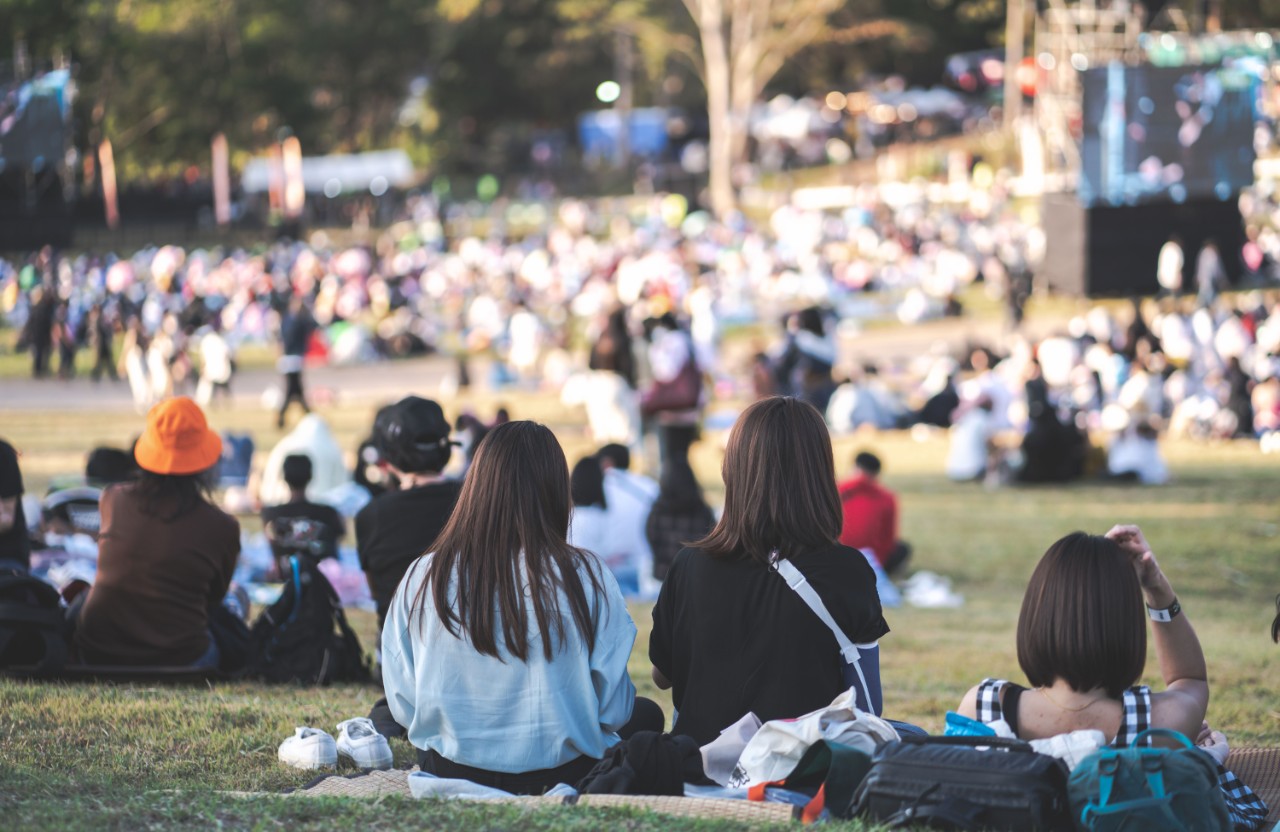
Music festivals, concerts, live music—these events are part of what makes the summertime so special. But as you’re soaking in the sounds of your favorite band, don’t forget to protect your hearing.
Whether you're a die-hard music lover, a first-time concertgoer, or a parent bringing your kids to see live music, you’ll want to pack quality earplugs for concerts in your summer survival kit and all year long!
Should I Wear Earplugs to a Concert?
Yes, you should wear earplugs to a concert, especially considering that most concerts average around 100 decibels (dB) or more, well above the safe threshold for prolonged exposure. [1] Without proper protection, just fifteen minutes of loud music can lead to temporary hearing loss or even permanent hearing damage, including tinnitus.
If you went to a concert recently and found your ears ringing afterwards, read about what to do.
Do Young People Need to Protect Their Hearing?
Yes! It’s never too early to start protecting your hearing health. Noise-Induced Hearing Loss (NIHL) doesn’t just happen as you get older.
“According to the Centers for Disease Control and Prevention (CDC), self-reported hearing tests show that about one in seven U.S. teens and nearly one in four U.S. adults (ages 20 to 69) have features suggestive of NIHL in one or both ears.” [2]
What Is Noise Reduction Rating (NRR)?
NRR is a standardized measurement, expressed in decibels, that indicates how much sound an earplug or hearing protection device can block when worn correctly.
To put it simply, the higher the NRR number, the more sound is reduced.
Here’s where it gets a little nuanced: An earplug with an NRR of 20 dB can ideally reduce exposure to noise by up to 20 decibels. However, in real-world conditions, the actual noise reduction is typically less due to imperfect fit and usage, which is why it’s best to look for earplugs with a higher NRR number.

What Should I Look for in Earplugs for Concerts?
- NRR Between 12–22 dB
Having earplugs with an NRR in this range can be enough to protect your hearing while still allowing you to enjoy the music clearly.
- Flat Frequency Response
Choose music earplugs that preserve sound quality across high and low frequencies rather than muffling everything.
- Comfortable and Reusable
Soft silicone or foam plugs that conform to your ear shape are ideal for long shows. Reusables are also more eco-friendly and cost-effective in the long run.
- Certified Brands
Look for brands that are certified by the American National Standards Institute (ANSI) [3], meaning they meet recognized safety and performance standards.
The Best Concert Earplugs
If you haven’t worn earplugs at a live music event before, you may not realize that good earplugs don’t muffle the sound. The best concert earplugs reduce the overall volume while keeping clarity and without distortion:
For a Last-Minute Option
For Those Concerned About Sound Quality
For Avid Concertgoers & Musicians
For Those Attending a Big Music Festival
Kids and Concerts: Don’t Forget Infant & Child Ear Protection
Planning to take your kids to a music event? Concert ear protection isn’t just for adults!
- Infant ear protection for concerts includes over-the-ear noise-canceling muffs designed for tiny heads. [4]
- Kids' concert ear protection should be both effective and comfortable. Look for adjustable headbands or soft over-ear options.
Protecting their ears now can help set up lifelong healthy hearing as well as teach them habits they’ll continue to use.
Custom Protection, Expert Advice
Amplifon Hearing Health Care is dedicated to promoting safe listening habits and helping people of all ages protect their hearing, especially during high-volume events. Our network of dedicated providers is here to guide you towards hearing health, regardless of your budget and needs.
Whether you’re shopping for concert ear protection, exploring custom solutions, or just curious about how to protect your hearing, we’re here to help you enjoy music for the rest of your life.
Start your journey to better hearing with Amplifon
-
8,800+ National providers
![clinic locations]()
-
Average of 68% off MSRP*
![cash]()
-
60-day risk-free trial**
![hearing aid]()
-
Free follow-up care**
![care]()


Restore the sounds of your life today!
Use our online tool to check your benefits, and connect with a local provider.
We appreciate you reaching out to us.
Our hearing care advocates will call you shortly and help answer all your questions.Sources
1. National Institute on Deafness and Other Communication Disorders. “Hearing protectors.” Retrieved from https://www.nidcd.nih.gov/health/hearing-protectors
2. National Institute on Deafness and Other Communication Disorders. “Hearing protectors.” Retrieved from https://www.nidcd.nih.gov/health/hearing-protectors
3. American National Standards Institute. “American National Standards Institute.” Retrieved from https://www.ansi.org/
4. The Bump. “5 Best Noise-Cancelling Headphones for Babies and Kids, Tested by Kids.” Retrieved from https://www.thebump.com/a/best-baby-headphones

Good hearing matters


