


The Difference Between Hearing Tests and Screenings
Maintaining your hearing health is vital for overall well-being, communication, and quality of life. Whether you're experiencing changes in your hearing or proactively monitoring it, understanding the differences between hearing tests and screenings is key.
Read on to explore the differences between the two, as well as some information on newborn screenings, and how Amplifon Hearing Health Care can help you on your hearing health care journey.
What is a Hearing Aid Test?
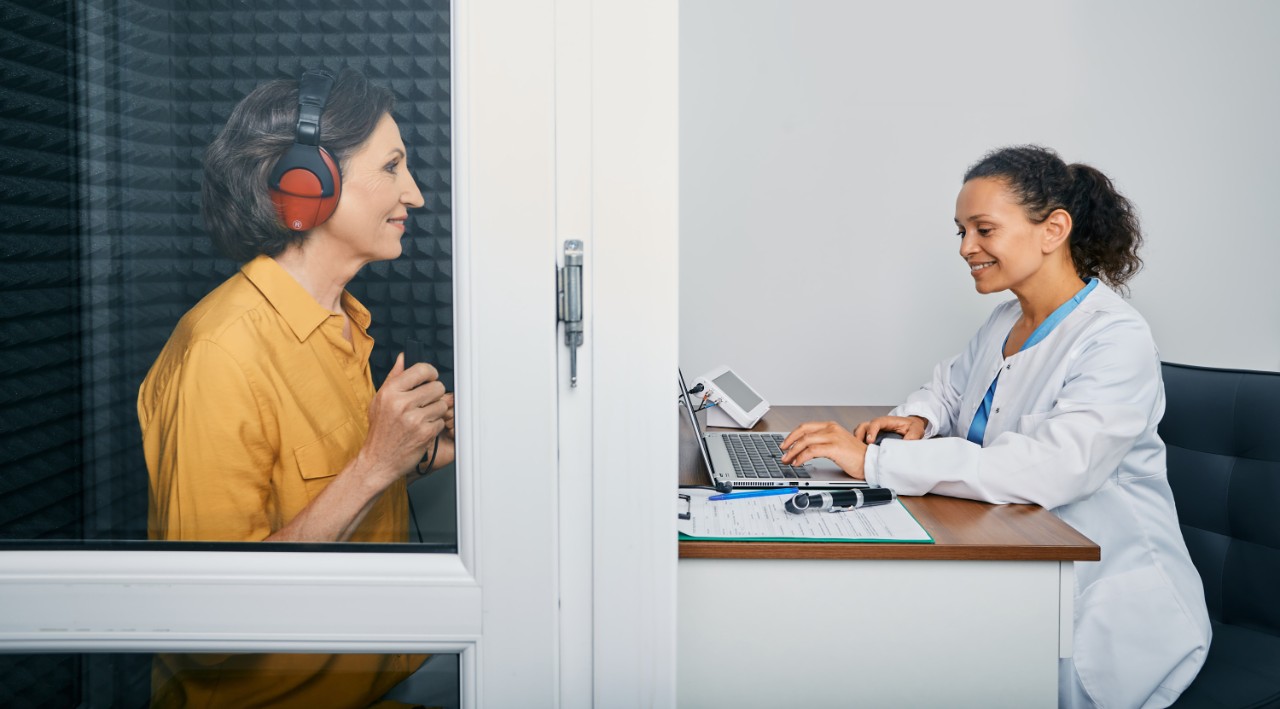
A hearing aid test, also known as a comprehensive hearing evaluation, is a diagnostic assessment used to determine the type and degree of hearing loss and whether hearing aids would help improve your hearing. A hearing aid test is conducted by an audiologist or hearing care professional in a controlled environment. [1]
This evaluation may include several components:
- Pure-tone audiometry. Measures the quietest sounds you can hear at different pitches.
- Speech audiometry. Assesses how well you understand speech at various volumes.
- Tympanometry. Tests middle ear function by measuring how your eardrum moves.
Once results are collected, a professional at Amplifon Hearing Health Care can guide you through the options, helping you find a personalized hearing aid solution that suits your lifestyle and level of hearing loss.
Interpreting Your Hearing Test Results
After your hearing evaluation, you’ll receive an audiogram, a graph showing your hearing thresholds across various frequencies. [2]
Your audiologist will also tell you if the hearing loss is conductive, sensorineural, or mixed. [3] Your hearing test results help professionals with their diagnosis and influence whether medical treatment, hearing aids, or other interventions are most appropriate.
Can You Take a Hearing Test Online?
While there aren’t hearing tests available online, Amplifon Hearing Health Care offers a free online hearing quiz you can take from the comfort of home. As a reminder, this should never replace a full diagnostic exam by a licensed audiologist if you suspect hearing issues..

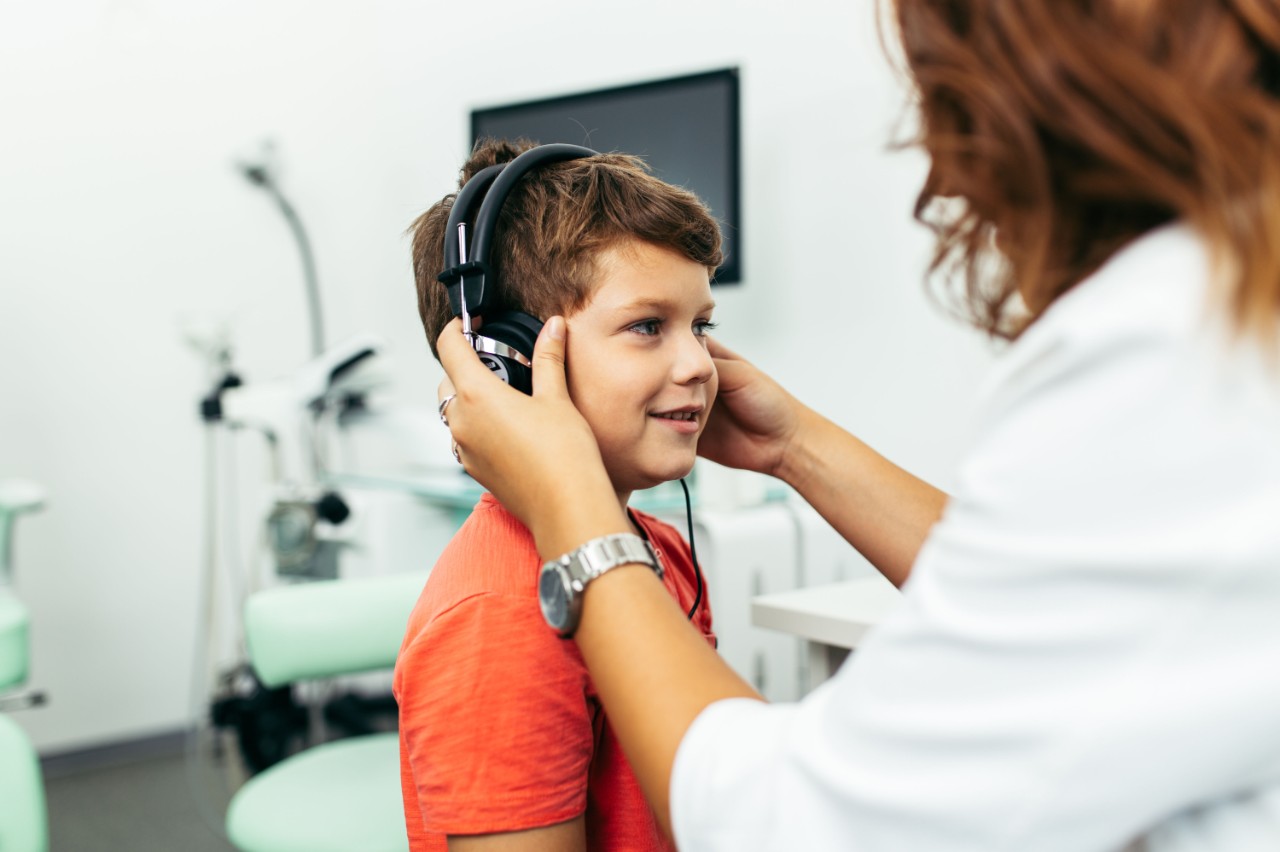
What is a Hearing Screening?
- Hearing screenings are commonly used for:
- Children in schools
- Adults during routine physicals
- Employees in noisy work environments
- Older adults at risk for age-related hearing loss
Amplifon Hearing Health Care provides hearing screenings through our network of providers, helping people catch potential issues early and take any necessary action. Request an Appointment to schedule your hearing evaluation today.
Can You Take an Online Hearing Screening?
Can you get a quick snapshot of your hearing online? The answer is yes, but again, this is not a diagnostic tool. An online hearing screening is a convenient and accessible tool that offers a quick snapshot of your hearing health. It’s especially useful for individuals who may be experiencing minor hearing difficulties or simply want to monitor their hearing as part of a wellness routine.
Newborn Hearing Screenings
Now that we’ve delved into a little bit of the differences between hearing screenings and hearing tests, let’s look at some ways these tests are used. Hearing health starts at birth. Newborn hearing screenings are critical for identifying hearing loss as early as possible, before it impacts language development, learning, and social interaction.
There are two main types of newborn screenings:
- Automated Auditory Brainstem Response (AABR). Measures how the brain responds to sound.
- Otoacoustic Emissions (OAE). Measures the inner ear's response to clicking sounds.
Both are painless, take only a few minutes, and are often done while the baby is sleeping.
When Should Newborn Hearing Screenings be Done?
The Centers for Disease Control and Prevention (CDC) recommends that all babies receive a hearing screening before they are 1 month old. If a baby does not pass the initial screening, a full hearing test should be conducted before 3 months of age. If hearing loss is confirmed, intervention should begin by 6 months. [4]
Take Charge of Your Hearing Health
Whether you’re a parent of a newborn, an adult experiencing changes in hearing, or simply looking to stay proactive, regular hearing evaluations are essential. Hearing loss is often a gradual process, and early detection can significantly impact outcomes.
FAQs about hearing tests and screenings
How long does a hearing test take vs screening?
A hearing screening usually takes about 5 to 10 minutes: it is a quick check of your hearing, designed to identify whether there may be signs of hearing loss and typically provides a simple pass-or-refer result.
A hearing test (audiological evaluation), on the other hand, is more comprehensive and usually takes about 20 to 45 minutes, though it can take longer if additional testing is needed. It measures hearing ability across different frequencies and helps determine the type and degree of any hearing loss.
Can a hearing test detect tinnitus?
A standard hearing test cannot directly “detect” tinnitus, since tinnitus is a condition where a person hears sound (such as ringing or buzzing) that is not coming from an external source. However, a hearing test can help identify hearing loss or other changes in hearing that are often associated with tinnitus.
During a full audiological evaluation, a specialist may also perform additional tests to better understand the pitch and loudness of the perceived tinnitus. While it may not confirm tinnitus on its own, a hearing test is an important first step in diagnosing and managing the condition.
How accurate are online hearing tests?
Online hearing tests can provide a useful first indication of your hearing ability, but they are not as accurate as a clinical hearing test performed by an audiologist. Their results can be influenced by factors such as the quality of your headphones, background noise, and the device you are using.
Because of these limitations, online tests should be seen as a screening tool rather than a diagnostic one. If an online test suggests possible hearing loss or if you notice changes in your hearing, a professional hearing test is recommended for a precise evaluation.
Start your journey to better hearing with Amplifon
-
8,800+ National providers
![clinic locations]()
-
Average of 70% off MSRP*
![cash]()
-
60-day risk-free trial**
![hearing aid]()
-
Free follow-up care**
![care]()


Restore the sounds of your life today!
Use our online tool to check your benefits, and connect with a local provider.
We appreciate you reaching out to us.
Our hearing care advocates will call you shortly and help answer all your questions.*Based on 2025 internal pricing analysis. Your savings may vary.
**Care package details vary by plan. Exclusions and limitations may apply. Separate care packages may be available through your provider. These care packages are not included in your Amplifon benefit and may result in additional out-of-pocket cost. Contact Amplifon (888-713-7659) for details.
Sources
1. Hearing and Audiology. "Hearing Test vs. Hearing Screening: What’s the Difference?" https://hearingandaudiology.com.au/blog/hearing-test-vs-hearing-screening/
2. Cleveland Clinic. "Hearing Test." Retrieved from https://my.clevelandclinic.org/health/diagnostics/24104-hearing-test
3. Mayo Clinic. "Hearing Loss." Retrieved from https://www.mayoclinic.org/diseases-conditions/hearing-loss/symptoms-causes/syc-20373072
4. CDC. "Hearing Loss in Children." Retrieved from https://www.cdc.gov/ncbddd/hearingloss/index.html



Good hearing matters


