


The world has become increasingly noisy, and high noise levels can permanently damage hearing, affect cognitive ability, and interfere with communication. At Amplifon Hearing Health Care, we believe that one of the most important contributors to good hearing health is a clear awareness of noise, both how it can cause hearing loss and how it detracts from human interaction and quality of life.
- According to the National Institute on Deafness and Other Communication Disorders (NIDCD), approximately 40 million American adults have hearing loss from noise exposure. Noise exposure is also listed as one of the leading causes of hearing loss in Americans of all ages.
- The Centers for Disease Control and Prevention (CDC) estimates that 12.5% of children and adolescents ages 6 to 19 years (approximately 5.2 million) and 17% of adults 20 to 69 years (approximately 26 million) may have suffered permanent damage to their hearing due to excessive exposure to noise.
How Does Noise-Induced Hearing Loss Happen?
Noise-induced hearing loss (NIHL) occurs from exposure to high noise levels, typically at or above 85 decibels, whether in one quick burst or over time. The louder the sound, , the shorter the time it takes for noise-induced hearing loss to happen. Dangerous sound levels can damage the delicate hair-like cells in the inner ear, which act as sound receivers, causing permanent hearing loss.
Everyday Activities That Can Lead to Noise-Induced Hearing Loss
How much noise is too much depends on the intensity and length of exposure. For example, noise from a lawn mower can gradually damage your hearing over weeks or months, while a sudden “impulse” sound, such as a gunshot or fireworks, near an unprotected ear can cause immediate hearing loss.
Learn how to protect your ears from outdoor activities.
Here are a few common sounds you might experience:
- 115 dB - Leaf Blower - 30 seconds to damage
- 97 dB - Motorcycle - 30 minutes to damage
- 94 dB - Electric Drill - 30 minutes to damage
- 91 dB - Hair Dryer - 2 hours to damage
- 90 dB - Lawn Mower - 4 hours to damage
- 88 dB - Heavy City Traffic - 4 hours to damage
Yard work
Recreational rides
Outdoor events
Fireworks
Yard work
90 dB-120 dB
Recreational rides
95 dB-110 dB

Outdoor events
95 dB-115 dB

Fireworks
+140 dB

Because actual sound levels vary significantly, take measurements using a sound level meter or a sound level meter smartphone app. Apple Watch wearers can use the Noise app, which monitors surrounding noise levels and issues a warning when dB levels exceed a certain threshold.
Is 85 Decibels Safe?
No. Extended or repeated sounds at 85 decibels (dB)or more can cause noise-induced hearing loss. The National Institute for Occupational Safety and Health (NIOSH) recommends hearing protection at noise exposure levels of 85 dB or higher over an eight-hour shift. Whether you choose inexpensive foam earplugs, earmuffs, or custom-made devices, protect your hearing in a way that fits your budget and lifestyle.
How Can You Tell if Something is Too Loud
Here are five ways to determine if you’re exposed to noise that’s too loud:
- You have to raise your voice over background noise to be heard.
- You can hear people talking to you, but you can't understand them.
- Your smartphone sound level app says the volume is over 85 dB. Remember, noises may be hazardous when levels are above that level.
- The noise is painful to your ears.
- Your ears ring during or after the event. Note: If you experience persistent ringing, pain, or other hearing issues after an event, contact a hearing professional.


The Impact of Hearing Loss on the Brain: A Study
Scientists have discovered that when hearing is damaged by prolonged exposure to loud noise, the brain may also experience the effects. Noise-induced hearing loss could also affect the brain’s ability to recognize speech.
A study by the University of Texas at Dallas explored the effects of noise-induced hearing loss on the brain's ability to recognize speech sounds. The laboratory study exposed two groups of rats to loud noise for an hour. One group experienced 115 decibels of extremely loud noise, close to the level of a jackhammer. The other group experienced 124 decibels of damaging noise, about the sound level of a siren. The first group ended up with moderate hearing loss, while the second group had severe hearing loss.
A month later, researchers checked how the rats' brains responded to sounds. They focused on the auditory cortex, where sound processing happens. In the rats with severe hearing loss, the neurons responded to speech more slowly than before. They also couldn't tell speech sounds apart when given a familiar task.
Research shows that the ears are just the first step to many processing stages needed to understand speech. Scientists are only beginning to understand how noise-induced hearing loss alters the brain and makes it challenging to process speech. More research is being explored to understand how hearing loss changes your brain.
The Risk of Social Isolation
High noise levels in busy restaurants and other public venues can also interfere with your ability to communicate with family and friends, possibly causing you to avoid social situations. Loud noise doesn’t just damage hearing; it can also interfere with your ability to communicate in various settings or situations, including busy restaurants, large social gatherings, and sporting events. People with hearing loss typically experience the most significant difficulty hearing conversations in the presence of background noise. Consequently, many of these individuals simply stay away from noisier places, potentially leading to social isolation, a known risk factor for dementia and depression.
Luckily, the SoundPrint app provides a platform for measuring and reporting noise levels in restaurants and other public venues using mobile iOS devices. Since the app was launched in 2018, thousands of venues nationwide have been measured and reported.

Can You Fix Noise-Induced Hearing Loss?
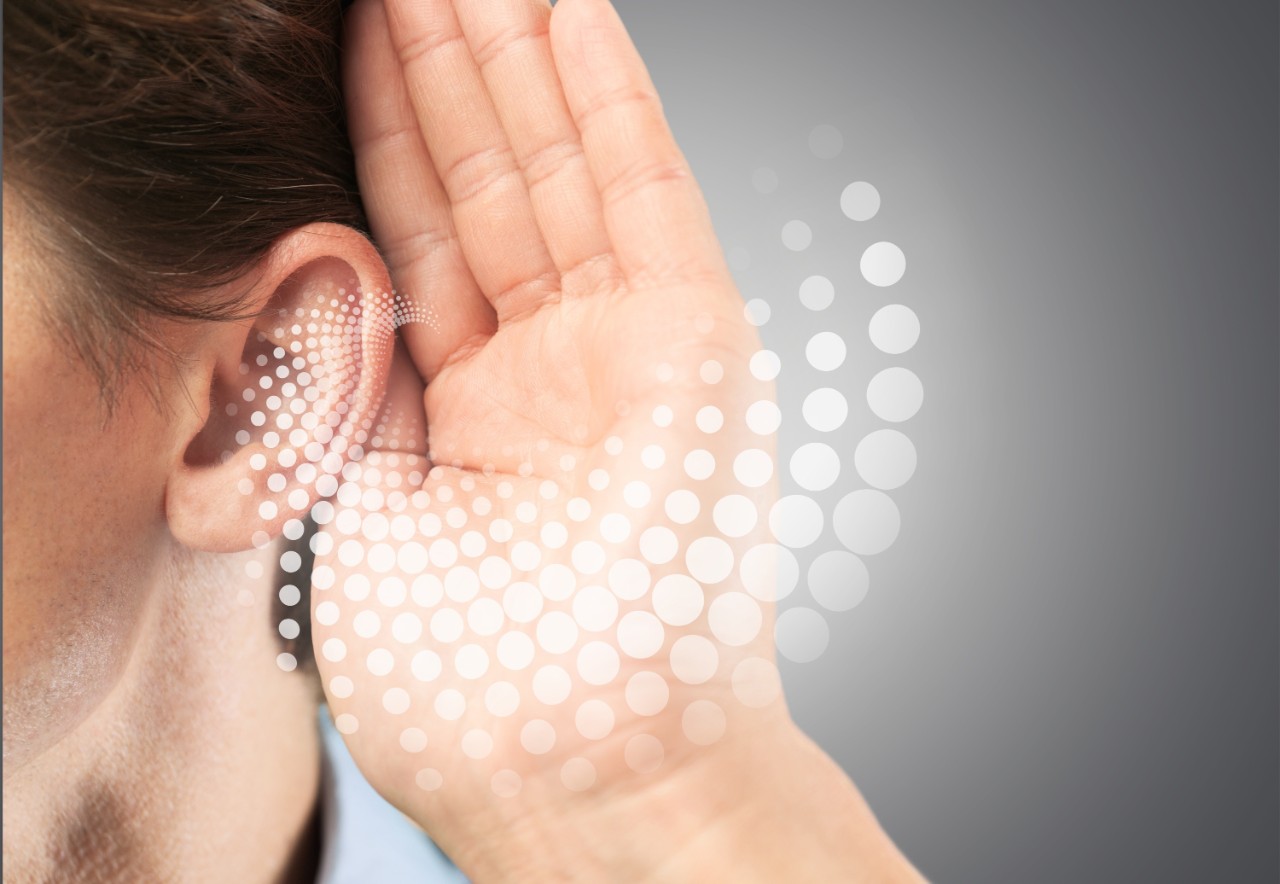
There's no cure for noise-induced hearing loss, and it can't be reversed. Once the hair-like cells in the inner ear have been damaged by noise, they can't be restored, although researchers are experimenting with new ways to grow those hair cells in the future. In the meantime, the most common way to treat hearing loss and limit its effect on the brain is to wear hearing aids.
Preventing Noise-Induced Hearing Loss
The good news is that noise-induced hearing loss is the only type of hearing loss that's 100% preventable. Here are five ways to practice prevention and good hearing health:
1. Walk away from the noise
2. Turn down the volume
3. Wear ear protection
4. Educate yourself and young children
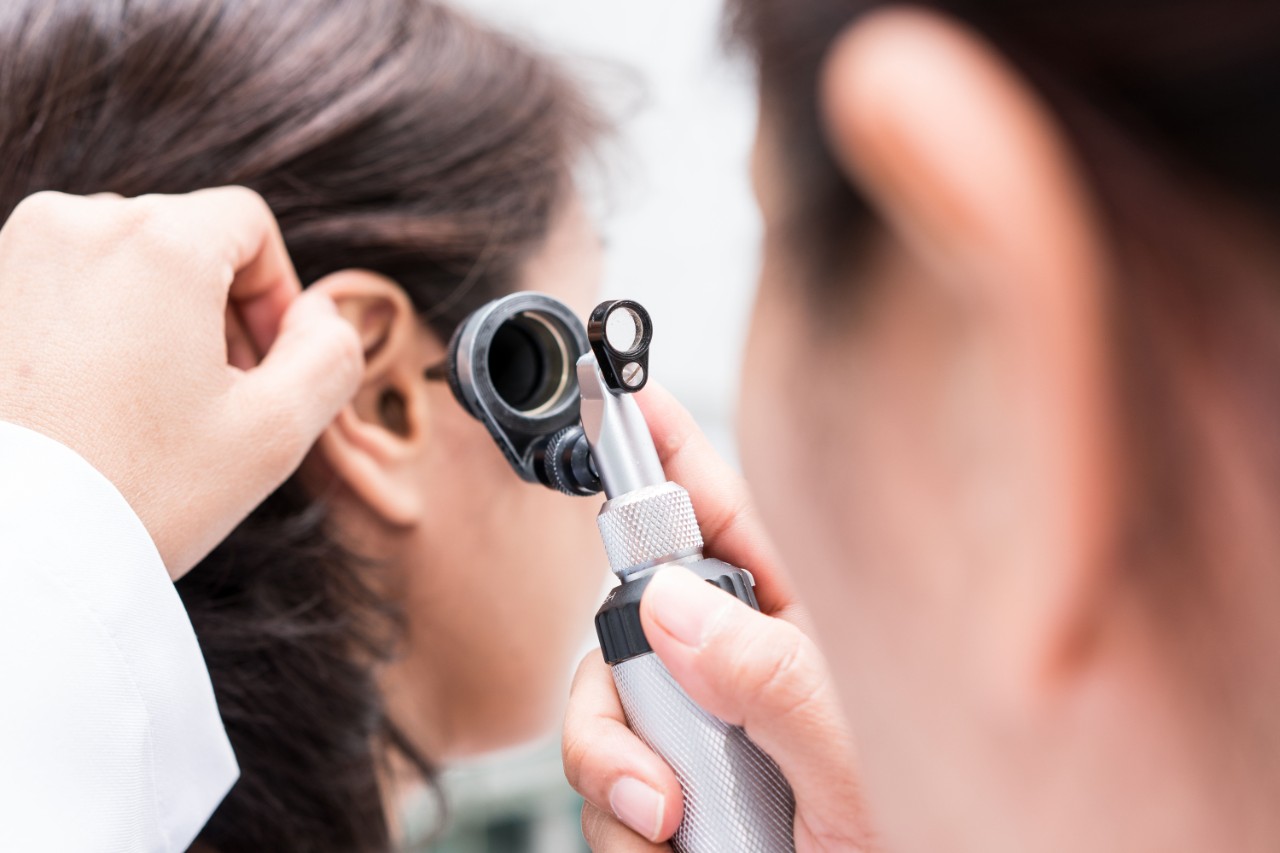
5. Get your hearing checked

Get your hearing checked at a clinic in your area
Request a hearing evaluation
Request an appointment at a hearing care provider near you.
We appreciate you reaching out to us.
Our hearing care advocates will call you shortly and help answer all your questions.


Good hearing matters


