


Tinnitus and Insomnia: Why It Happens and What to Do About It

Here’s to getting a better night’s sleep
For those living with tinnitus, the constant ringing, buzzing, or hissing sounds can be disruptive and distressing—especially when it's time to sleep.
This is where the relationship between tinnitus and insomnia comes into play. Many people with tinnitus find themselves struggling to fall asleep or stay asleep, leading to chronic sleep deprivation, which can further exacerbate both tinnitus symptoms and overall physical and mental well-being.
In this blog, we’ll explore the connection between tinnitus and sleep, why insomnia can happen, and most importantly, what you can do to break the cycle and reclaim restful sleep.
What you need to know about tinnitus
Can Tinnitus Cause Insomnia?
Yes, tinnitus can cause insomnia. The relationship between tinnitus and insomnia is primarily due to how the brain processes sound. During the day, external noises often drown out the ringing or buzzing of tinnitus. But when the world becomes quieter, those with tinnitus may find the phantom noises more noticeable and intrusive, making sleeping difficult.
Here’s why tinnitus disrupts sleep:
Hyperawareness
Stress and Worry
Sleep Fragmentation
Mood Disorders
Can Tinnitus Cause Sleep Apnea?
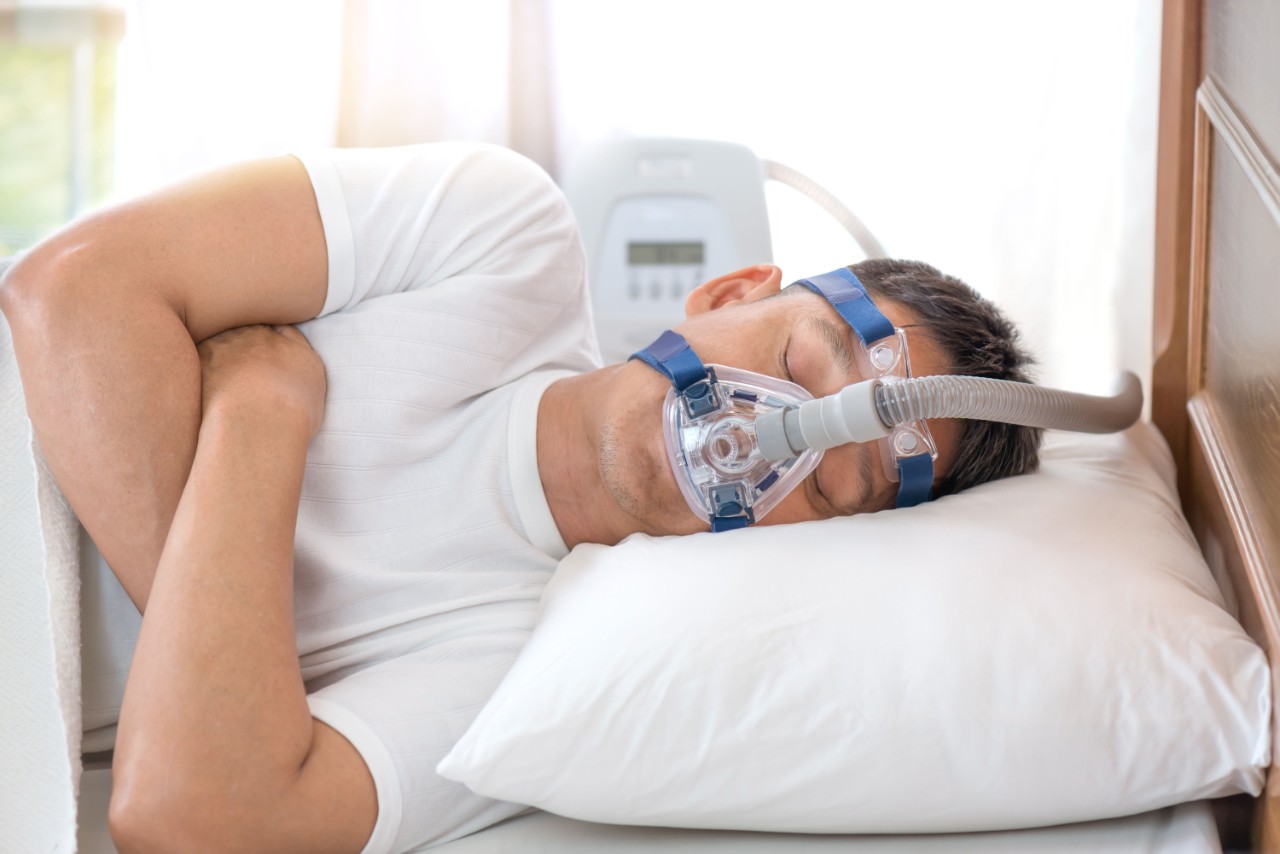
Research suggests that sleep apnea and tinnitus often go hand in hand. This study found that tinnitus was higher in patients with obstructive sleep apnea. While more research needs to be done to understand if there’s a deeper connection, the two conditions can interact and exacerbate each other's symptoms.

Can Lack of Sleep Cause Tinnitus?
While lack of sleep doesn't directly cause tinnitus, it can exacerbate the condition in those already prone to it. Sleep deprivation increases stress levels and reduces the body's ability to recover, both of which can heighten the perception of tinnitus. When someone doesn't get enough rest, their brain becomes more sensitive to stimuli, including ringing in the ears. Additionally, fatigue can lead to heightened anxiety and irritability, which may further amplify tinnitus symptoms.
What does "Insomnia Secondary to Tinnitus" Mean?
Insomnia secondary to tinnitus refers to difficulty sleeping caused by tinnitus. It’s often phrased this way for VA or service-related reporting. Simply put, it means that tinnitus is the primary condition, and insomnia is a secondary result of that condition. In this instance, the constant noise can make it difficult to relax or fall asleep, which disrupts normal sleep patterns.
How to Sleep With Tinnitus
Dealing with insomnia due to tinnitus can feel frustrating. Here are several strategies to try to alleviate the discomfort and improve your sleep quality.
Sound Therapy
Relaxation Techniques
Use Hearing Aids or Tinnitus Maskers
Pay Attention to Your Sleep Hygiene
Good sleep hygiene is key for anyone experiencing sleep issues. To create an environment conducive to sleep:
- Keep your bedroom dark, cool, and quiet.
- Avoid caffeine, alcohol, and nicotine before bed.
- Limit daytime naps.
- Try to get regular exercise.
- If tinnitus is particularly bothersome, use earplugs or a white noise machine to block out distracting sounds.
- Sticking to the same sleep and wake times every day, even on weekends, can help reinforce your body's natural sleep-wake cycle.

Struggling with tinnitus?
Request an appointment for a hearing test
Request an appointment at a hearing care provider near you.
We appreciate you reaching out to us.
Our hearing care advocates will call you shortly and help answer all your questions.


Good hearing matters


