


Lyme Disease and Hearing Loss - How It Can Happen

Each year, there are approximately 300,000 new cases of Lyme disease in the United States. While this disease is usually associated with fatigue, joint pain, and the characteristic bull's-eye rash, it has also been linked to various auditory issues, including hearing loss.
In this blog, we’ll explore the connection between Lyme disease and hearing loss and how to protect yourself when spending time in wooded areas.
Need to talk to a hearing care provider?
Understanding Lyme Disease
If left untreated, the infection can spread to the joints, heart, and nervous system, leading to more severe complications. Among the less-discussed complications are those involving the auditory system, such as:
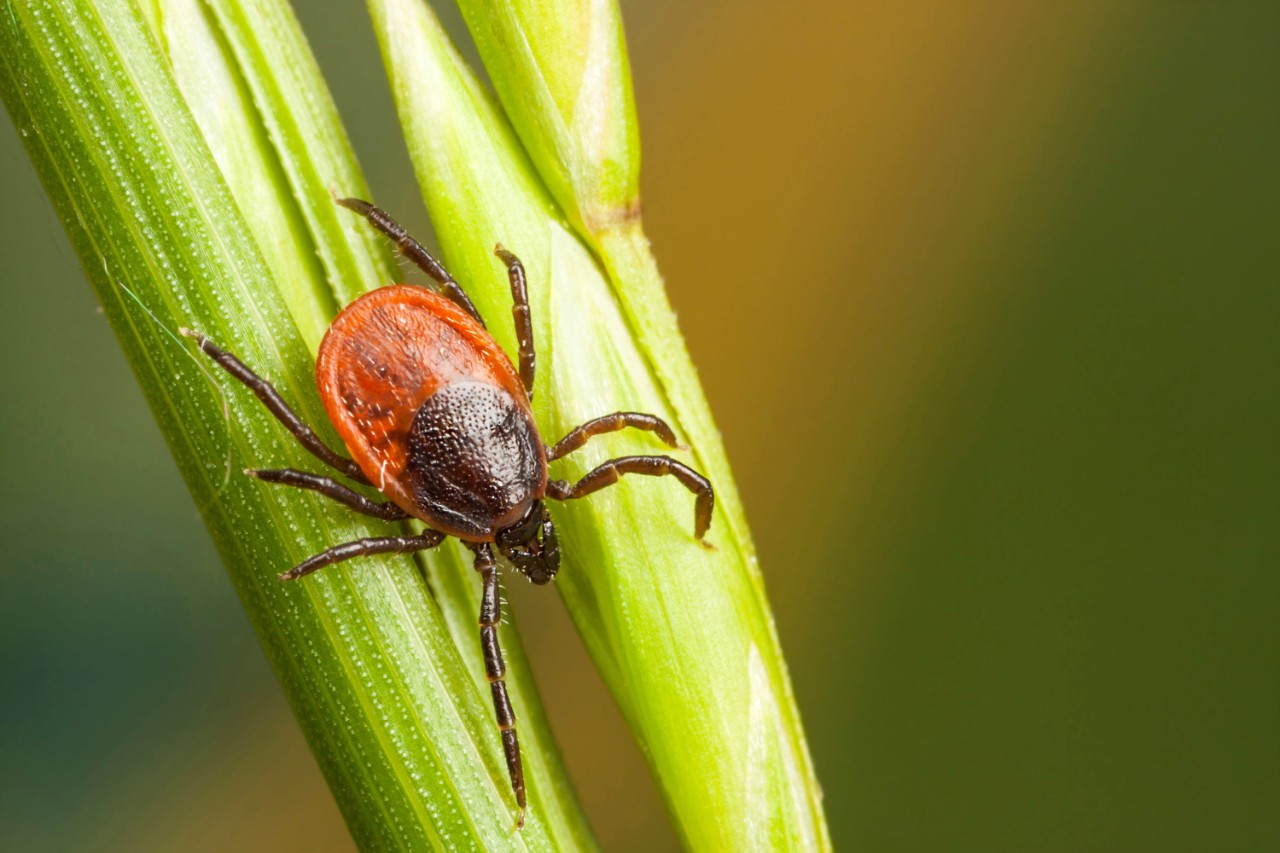

Can Lyme Disease Cause Hearing Loss?
While rare, Lyme disease can lead to hearing loss in a few ways:
Neurological Complications
Inflammation and Ear Infections
Lyme disease can cause inflammation throughout the body, including the ears. Inflammation can disrupt normal ear functions, leading to pain, tinnitus, or muffled hearing.
Additionally, Lyme disease has been known to increase the likelihood of developing ear infections, which, if left untreated, may lead to temporary or permanent hearing damage.
Autoimmune Response
Recognizing the Symptoms of Lyme-Related Hearing Loss
Lyme disease can lead to a variety of auditory issues, so it’s important to recognize the symptoms early:
- Sudden or gradual hearing loss in one or both ears
- Tinnitus, or persistent ringing in the ears
- Vertigo or balance issues
- Ear pain or fullness
If you notice any of these symptoms and you’ve been in areas where Lyme disease is prevalent, seek medical advice immediately.
Diagnosis and Treatment
Diagnosing Lyme disease-related hearing loss can be challenging because the symptoms often look like other conditions. If you suspect Lyme disease has affected your hearing, talk to your healthcare provider and a hearing care specialist. Early treatment can help prevent further complications.
Treatment for Lyme disease often includes antibiotics to clear the infection. When it comes to a Lyme disease hearing loss treatment, corticosteroids may be prescribed to reduce inflammation.

Lyme Disease Prevention Tips
Prevention is always the best method. Here are some steps you can take to reduce your risk of Lyme disease:
- Use tick repellents in wooded or grassy areas.
- Wear protective clothing when outdoors. Long sleeves and long pants and high socks are recommended.
- Walk in the center of trails instead of veering into grassy areas.
- Perform tick checks after spending time outside, paying particular attention to areas where ticks are likely to bite.
- Seek early treatment if you suspect Lyme disease.
- Schedule regular hearing check-ups, especially if you’ve had Lyme disease or experienced any changes in your hearing.
Keep an Eye Out

Understanding the potential connection between Lyme disease and hearing loss is important for seeking early intervention. If you’re experiencing auditory symptoms and have had possible exposure to Lyme disease, talk to a medical professional.
Get your hearing checked
Request an appointment for a hearing test
Request an appointment at a hearing care provider near you.
We appreciate you reaching out to us.
Our hearing care advocates will call you shortly and help answer all your questions.


Good hearing matters


