



Hearing Loss
Frequently Asked Questions
Get clear and reliable answers to common hearing health questions.
Common Member Questions
Think you might have hearing loss and want to know more about next steps and what to expect? We have you covered. Here are answers to frequently asked questions about hearing loss, hearing aids, and more. Think you may need to have your hearing checked our hearing advocates would be happy to discuss your hearing insurance coverage options and find a clinic near you for a hearing evaluation.
Hearing Loss
What causes hearing changes?
- Excessive noise exposure is the leading cause of adult hearing loss in the United States.
- Certain medications including diurectics and some cardiac and cancer medications.
- Aging can impact inner ear function, the tiny hair-like cells and auditory nerves that help you hear
- Certain Illnesses and diseases like meningitis, heart disease and diabetes.
- Other factors, such as obesity, birth defects, head injuries, family history and smoking.
How common is hearing loss?
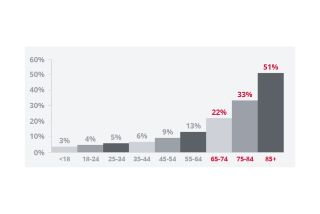
Hearing loss affects people of all ages. Nearly 40 million Americans live with hearing loss.
How can I protect my hearing?
- Wear hearing protection
- Turn down the volume
- Maintain a healthy lifestyle
- Understand your medication side effects
Is hearing loss hereditary?
Hearing loss can be hereditary. How hearing loss occurs in hereditary hearing loss varies. Some hearing loss is seen at birth, while some hereditary hearing loss may not appear until adulthood.
Can medications cause hearing loss? If so, which?
Many medications can cause hearing loss and/or tinnitus. Some antibiotics given for severe illness, including gentamycin and streptomycin, can cause hearing loss. Loop diuretics if used in conjunction with other medications can also be harmful to hearing. Chemotherapy medications, especially those used for lung or ovarian cancer, can cause hearing loss. Aspirin is a common cause of tinnitus as is quinine. Check with your doctor if you notice changes in your hearing while taking a medication.
Can hearing loss cause other health problems?
Hearing loss is associated with a number of serious health conditions including depression, falls with injury and dementia. As hearing declines, the percentage of depressed adults increases -- from about 5 percent in those with no hearing problems to more than 11 percent in those with hearing loss. Patients with even mild (>25 dB HL) hearing loss are 3 times more likely to have fall history. With every additional 10 dB of hearing loss, the chance of falling increases by 1.4 percent. Johns Hopkins research shows that mild hearing loss doubled dementia risk, moderate loss tripled dementia risk, and adults with severe hearing loss were five times more likely to develop dementia.
Hearing Aids
Do I really need hearing aids?
Even mild hearing loss can negatively affect key areas of your life, including mental health, physical health and income. Untreated hearing loss is more noticeable to others than actually wearing hearing aids.
Do hearing aids really work?
Today’s advanced hearing aids are very effective. Recent developments in technology have resulted in hearing aids that are easy to use, effective, and comfortable to wear. Hearing aids are very small, discreet and loaded with advanced technology to improve hearing in noisy environments and connect you with your smart phone and other devices like your TV and computer. Even hearing aids in the budget friendly price tiers have a wide variety of features. Manufacturers are constantly improving their hearing aids – all major hearing aid manufacturers now produce rechargeable hearing aids, with direct blue tooth connection, and improved moisture resistance.
How can I pay for hearing aids?
Hearing aids are an investment in your overall health. Here are a few ways to find some savings to ensure you get the treatment you deserve:
- Your Insurance Benefit
- Interest Free Financing
- HSA, HRA, FSA Spending Account Funds
How much do hearing aids cost?
Hearing aids vary widely in cost. The cost of hearing aids, like cars and smart phones, is directly related to the number of features and options available on the hearing aid. These features are used to customize the hearing aids to your communication needs and lifestyle. A less expensive hearing aid is not a lower quality hearing aid, but rather simply has fewer features. A licensed hearing healthcare professional will test your hearing, review your test results, and help you choose the hearing aid that best fits your hearing loss, lifestyle, and budget.
Will hearing aids reduce background noise?
Background noise is especially challenging for people with hearing loss. Hearing aids do not get rid of background noise. Instead, today’s hearing aids use microphones and digital filters to ensure that the sound directly in front of the hearing aid user is emphasized and that background noise is made less loud. This improvement in signal to noise ratio keeps speech consistently audible and helps the hearing aid user perceive and understand more conversation, even in noisy environments.
How well will hearing aids help me hear again?
Success with hearing aids depends on several factors. Individual experiences will vary depending on the severity of the hearing loss, the accuracy of the evaluation, proper fit and the ability to adapt to amplification. Hearing aids do not restore normal hearing, but the assistance they provide may help wearers live their lives to the fullest. Today’s hearing aids provide better sound quality than ever. Losses that were difficult or even impossible to fit years ago are more likely to have success with newer hearing aids due to advancements in hearing aid technology.
Tinnitus
I have a ringing in my ears. What is that?
A ringing, hissing or buzzing sound in one or both ears is called tinnitus. Tinnitus can come from a variety of sources: hearing loss, some medications, stress, fatigue, or even too much coffee. Tinnitus commonly occurs with hearing loss. The first step to dealing with tinnitus is to have your hearing tested. While there is currently no cure for tinnitus, hearing aids can be a very effective treatment for tinnitus.
Can hearing aids help my tinnitus?
According to the American Tinnitus Association, tinnitus patients with hearing loss may experience tinnitus relief while wearing hearing aids. In ears with hearing loss, tinnitus is a common and unpleasant side effect. The tiny nerves in the cochlea, or inner ear, are active. These nerve cells generate an acoustic signal in response to sound. This nerve impulse is then sent up to the brain. Tinnitus occurs when these nerve cells are injured or damaged. The nerves then generate a persistent sound – tinnitus—which is perceived by the brain. Hearing aids amplify sound and improve the inner ear’s ability to route sound to the brain. This improvement in hearing can reduce the perception of tinnitus. In addition, most hearing aids have special programs specifically for tinnitus management. These programs can be set up to generate a quiet sound like wind or white noise. This noise refocuses the brain’s attention, shifting it from the annoying sound of tinnitus to a more pleasant neutral sound.
Good hearing matters


