


Innovative Technology
Hearing Aid Parts and Components
To keep your hearing aids working as they should, it’s good to have a basic, working understanding of hearing aid parts and accessories. Like any high-precision electronic device, hearing aids require routine maintenance and replacements due to daily exposure to earwax, moisture, and wear.
Here you’ll find a comprehensive reference for:
- Identifying hearing aid parts and accessories and what they do
- Understanding when to replace parts of your hearing aid
- What replacements can be done at home vs. when to see an Amplifon hearing specialist.
Hearing Aid Components
Hearing Aid Wax Guard/Wax Filters
- What Does It Do? Prevents earwax and debris from clogging the speaker.
- How Do I Take Care of It? Inspect daily. Replace every 2–4 weeks (or when sound drops).
Hearing Aid Domes
- What Does It Do? Directs sounds towards your eardrums.
- How Do I Take Care of It? Clean weekly, replace monthly.
Hearing Aid Tubes
- What Does It Do? Delivers sound from a Behind-the-Ear (BTE) hearing aid to the ear canal.
- How Do I Take Care of It? Replace every 6-12 months or when noticeably brittle or discolored.
Custom Earmolds for Hearing Aids
- What Does It Do? Custom-fit piece for optimal sound quality and comfort.
- How Do I Take Care of It? Depends on the person, age, and type of ear mold materials:
- Lucite or Acrylic: 3-5 years.
- Softer Materials (e.g., vinyl or silicone): usually every 6-12 months.
- For Those Under 12: Could be 2-3 sets/year, depending on how quickly they’re growing.
Hearing Aid Microphone
- What Does It Do? Captures sounds from your environment.
- How Do I Take Care of It? Clean daily; professional replacement as needed.
Hearing Aid Receiver
- What Does It Do? Functions like a speaker so you can hear the sounds around you.
- How Do I Take Care of It? Clean daily; professional replacement if damaged or as needed.
Core Components: A Deeper Dive
Ear-Facing Components (Wax Protection & Fit)
Hearing aid wax guards are there to prevent earwax from entering the delicate internal components. Clogged hearing aid wax filters and guards are the single most common cause of sudden loss of sound or distortion.
How to Maintain Them: Inspect daily. Most people should change their wax filters every 2-4 weeks.

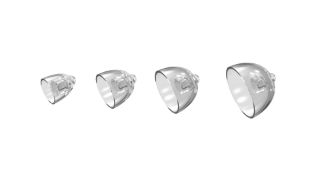
Hearing Aid Domes
Your hearing aid domes can accumulate earwax, debris, and moisture over time, which can affect sound quality and potentially lead to infections.
How to Maintain Them: Clean your domes once a week (more if you notice earwax or debris building up!). Replace once a month to maintain hygiene and fit.
On Behind-the-Ear (BTE) models, hearing aid tubes connect the main housing behind the ear to the earpiece inside the ear canal.
When to Replace Them: Over time, tubing can harden, turn yellow, or crack, causing sound leakage and feedback whistles. Replace tubing every 6-12 months depending on your individual usage. Replace earlier if they’re brittle or visibly discolored.

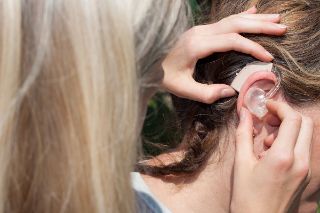
Custom Earmolds for Hearing Aids
Crafted from precise ear impressions, custom earmolds are built just for you for optimal sound quality and fit.
How to Maintain Them:
- Use a soft, dry cloth to keep them clean.
- If your provider recommends it, use a hearing aid dryer to keep them oisture-free.
- Handle them gently, like you would with other expensive electronics.
Most importantly, do not use water or solvents (e.g., alcohol, nail polish remover) to clean them!
Electronic Components & External Housing

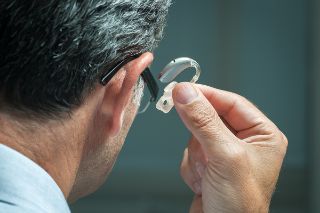
Hearing Aid Receiver (Speaker)
In RIC devices, the hearing aid receiver is positioned inside the ear canal at the end of a thin wire. It converts processed digital signals into acoustic energy.
Care Tip: Clean daily. Use a wax guard to prevent wax from degrading sound quality and device performance.
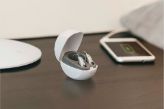
Modern hearing aids use rechargeable batteries. You’ll charge your hearing aids at the end of every day, but the batteries themselves only need to be replaced every few years.
Care Tip: Regularly wipe down the hearing aid and charger with a soft, dry cloth to maintain a strong connection.

What Hearing Aid Maintenance Tools Do I Need?
To maximize the lifespan of your hearing aids, keep these tools handy:
- Soft, Dry Cloth, Pick, and Brush - Remove surface earwax without damaging delicate sound ports.
- Dehumidifier or Drying Jar - Remove internal moisture overnight to protect microelectronics from corrosion.
- Bulb Blower - Helps remove moisture from tubing.
- Cleaning Wipes or Microfiber Cloth (Alcohol-Free) - Safely sanitize silicone domes, earmolds, and outer shell casings without degrading plastic materials.
Maintain Your Hearing Aids in 8 Easy Steps
At-Home vs. Professional Service
What You Can Do at Home
- Basic Cleaning & Daily Maintenance
- Changing Wax Guards & Filters
- Swapping Hearing Aid Domes
- Custom Earmold cleaning
When You Need a Professional
- Internal Receiver or External (Wire) Replacement
- Acoustic Calibration & Real-Ear Measurement (REM)


Good hearing matters


