


Innovative Technology
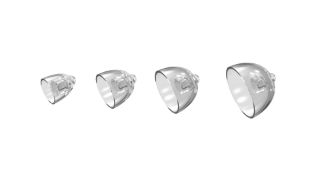
Hearing Aid Domes
These important domes are small, flexible caps attached to the speaker tube or receiver of Receiver-in-Canal (RIC) and Behind-the-Ear (BTE) hearing aids. They anchor the hearing aid receiver in place and channel sound into the ear canal.
Amplifon Hearing Health Care has put together everything you need to know about domes, from understanding your options to ongoing maintenance.
Hearing Aid Dome Types
Open Domes for Hearing Aids
- Best for: Mild-to-moderate high-frequency hearing loss.
- Sound Experience: Offers more natural sound into the ear while reducing the “plugged up” sensation that can bother some.
- What to Know: Can be more prone to feedback than other dome types. They also offer less amplification for lower frequencies.
Closed Domes for Hearing Aids
- Best for: Moderate-to-moderately severe hearing loss.
- Sound Experience: Delivers more amplification across all frequencies. Sealing the canal offers better amplification and prevents acoustic feedback.
- What to Know: With less ventilation, users may experience a greater occlusion effect, making their own speaking voice sound louder*. Most people become used to this new sensation within a few weeks.
Tulip Domes for Hearing Aids
- Best for: Mild-to-moderate loss.
- Sound Experience: Uses two overlapping petals for a “semi-closed” seal. It offers less feedback than open domes and a more natural sound than closed ones!
- What to Know: Tulip domes can work well for larger ear canals, but may not be as comfortable in narrow canals.
Hearing Aid Dome Size Chart & Fit Guide
Domes come in different sizes to fit varying ear canals.
How to measure hearing aid domes. Don’t worry, your hearing health care provider will measure your ear canal and recommend the right size for you! Domes are usually categorized by the size of your ear canal: Small (6-8 mm), Medium (8-10 mm), and Large (10-12 mm).
How should hearing aid domes fit? Your hearing aid dome should feel snug without pressure. If the dome is too small, it won’t seal correctly. However, if it’s too large, it won't feel comfortable. We definitely want your hearing aids to be comfortable to wear!
Hearing aids perform best when they’re tailored to your hearing loss profile and daily lifestyle. Unsure which size or type of dome matches your device?
Schedule a consultation with a local hearing specialist to optimize your comfort and clarity.

Insertion, Cleaning & Replacement
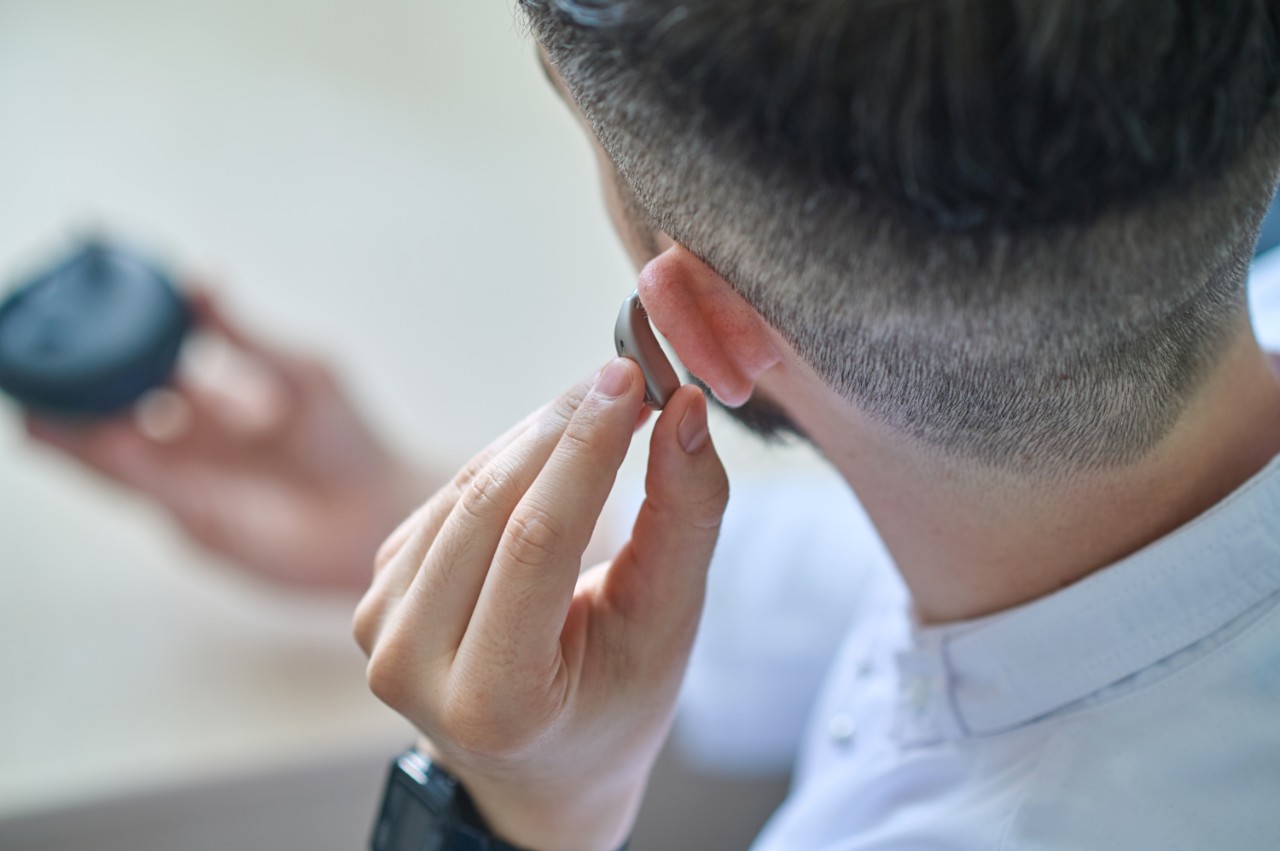
How to Put in a Hearing Aid with a Dome
- Clean Hearing Aids, If Necessary. Make sure your hearing aids are nice and clean! (We’ll go over cleaning tips in the next section.)
- Distinguish Right and Left. It's easy to tell the difference: the right one is marked with red, the left with blue.
- Place the Hearing Aid On Top of Your Ear. Make sure the wire is placed over the ear, almost like you’d place glasses!
- Find Your Ear Canal. Use your fingertip to locate your ear canal. This will help give you a sense of where you’re aiming!
- Push Into the Ear Canal. Gently position the dome at the entrance of your ear canal, then push down and towards your nose.
- Adjust, as Necessary. Pull the earlobe down slightly to settle the dome into position without causing feedback.
- Repeat! Repeat this step with the other hearing aid.
Practice Makes Perfect: If you’re getting used to hearing aids, go ahead and practice putting them in and taking them out! It may take some time to get acclimated, but before you know it, it’ll feel like something you’ve always done!


How to Clean Hearing Aid Domes
You’ll want to clean your domes at least once a week - more often if you notice wax or debris buildup. Here’s what to do:
- Wash your hands and carefully remove the dome.
- Use a soft brush to clean the outside, watching for any small openings where debris may collect.
- Use a soft, dry cloth to wipe down the dome.
- Reattach your hearing aid dome and make sure everything is fitting correctly!
Note: Always avoid using alcohol or household cleaners.
Hearing Aid Dome Replacement
Replace domes once a month, or immediately if it’s showing signs of wear and tear. Here are a few tell-tale signs that it’s time for a replacement:
- Persistent discoloration no matter how well you clean it.
- Earwax buildup that’s impossible to remove.
- Tears, cracks, or other signs of damage.
- Dome is loose, uncomfortable, or even painful to wear.
- Poor sound quality.
If you’re cleaning the dome regularly but still not getting good sound quality, or if you’re unsure whether you’re due for a replacement, schedule an appointment with a professional hearing care provider.
No, hearing aid domes are generally not universal across brands. Receiver stems differ in diameter between manufacturers, so replacement domes must match the specific device model. Your hearing health care provider can help you with getting the right replacement if and when you need one!


Keep Your Hearing Aids Working Like New
Explore replacement domes, wax guards, and cleaning kits to preserve your sound quality.
Frequently Asked Questions
What if a hearing aid dome gets stuck in my ear?
Should I change my wax guard with every dome?
How do I know if I need a custom ear mold?


Good hearing matters


