


Ear Wax Removal: Who Needs It and Where to Get It
Ear wax, or cerumen, protects and lubricates your ear canals. However, when it builds up too much, it can cause all sorts of issues, including discomfort, hearing difficulties, infections or even hearing loss.
While some ear wax naturally clears on its own, others may require professional removal. But who typically needs to schedule an appointment for ear wax removal and where should they go?
In this article we’ll explore:
- Who needs professional ear wax removal
- Where to get ear wax removal
- Do audiologists remove ear wax?
- How do doctors remove ear wax?
- How to prepare for your appointment
Get help for ear eax
Who Needs Professional Ear Wax Removal?
While anyone can experience ear wax buildup, certain groups are more prone to needing help from a professional:
1. Those With Overproduction of Ear Wax
2. Hearing Aid Users
3. Individuals with Narrow or Curved Ear Canals
4. Swimmers
5. Older Adults
6. People with Symptoms of Wax Impaction
You should consider professional ear wax removal if you experience the following wax impaction symptoms:
- Persistent hearing loss or muffled sounds.
- A blocked, plugged or clogged sensation in the ear.
- Ear pain or discomfort.
- Tinnitus.
- Signs of infection, such as redness, swelling, or discharge.
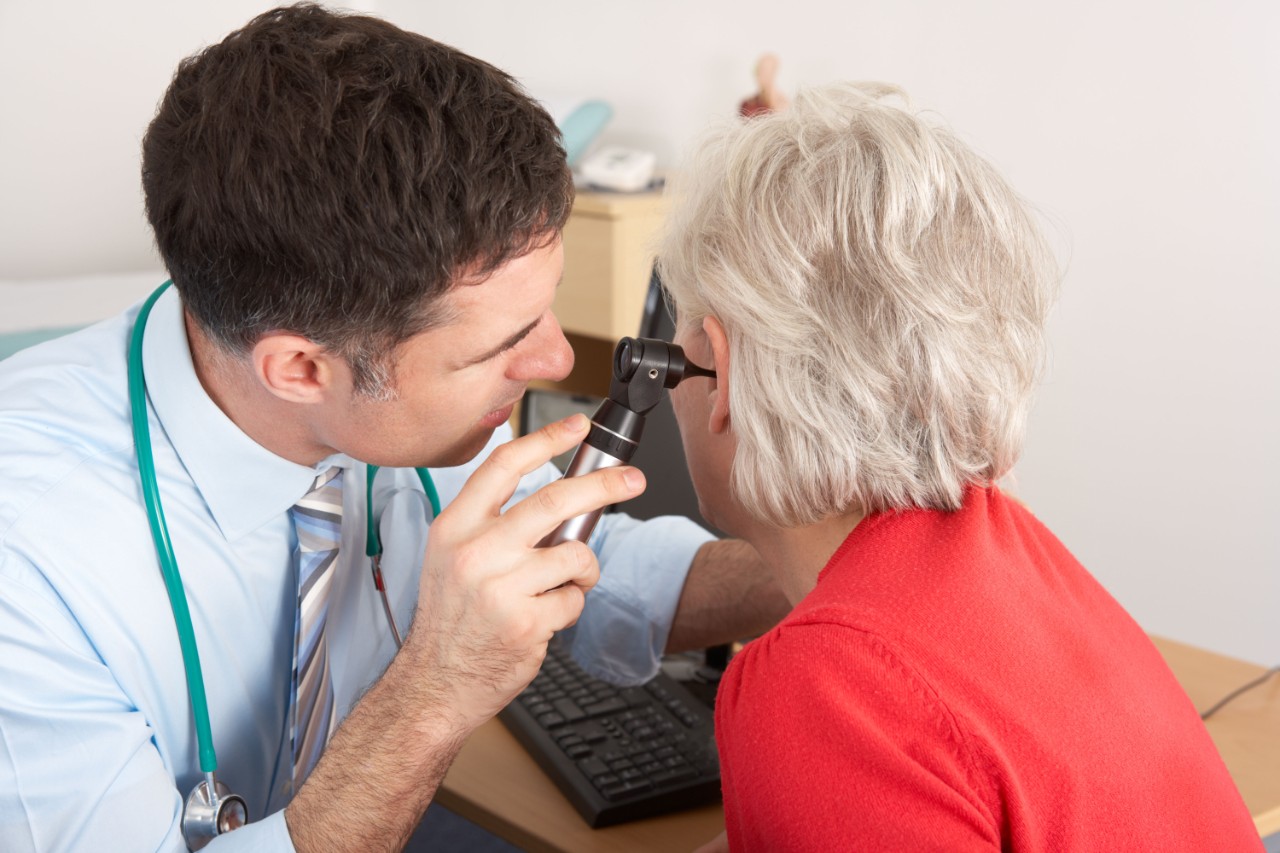
Why You Should Avoid DIY Methods
While there are over-the-counter ear wax removal kits, at-home methods often pose risks:
- Cotton Swabs can push wax deeper into the canal, worsening the problem.
- Ear Candling is ineffective and can cause burns or injuries.
- Irrigation Kits may lead to infections or damage the eardrum if you don’t have the proper training.
- Insects or bugs in the ear, although rare, can also occur and should never be removed using home tools, as this may push them further in or cause injury.
Professional ear wax removal ensures safety and effectiveness, especially if you’re experiencing significant discomfort or symptoms.
Where to Get Ear Wax Removal
- Primary Care Physicians. Your general practitioner can often perform ear wax removal or refer you to a specialist if needed.
- ENT Specialists (Otolaryngologists). For complex cases or recurring buildup, ENT ear wax removal is recommended.
- Walk-In Clinics. Many urgent care or walk-in clinics offer ear wax removal services for non-emergency cases.
- Hearing Clinics. Hearing care providers often include ear wax removal as part of their services.
Do Audiologists Remove Ear Wax?
Yes, some audiologists are equipped to assess and treat ear wax buildup, particularly for those with hearing aids or other devices.
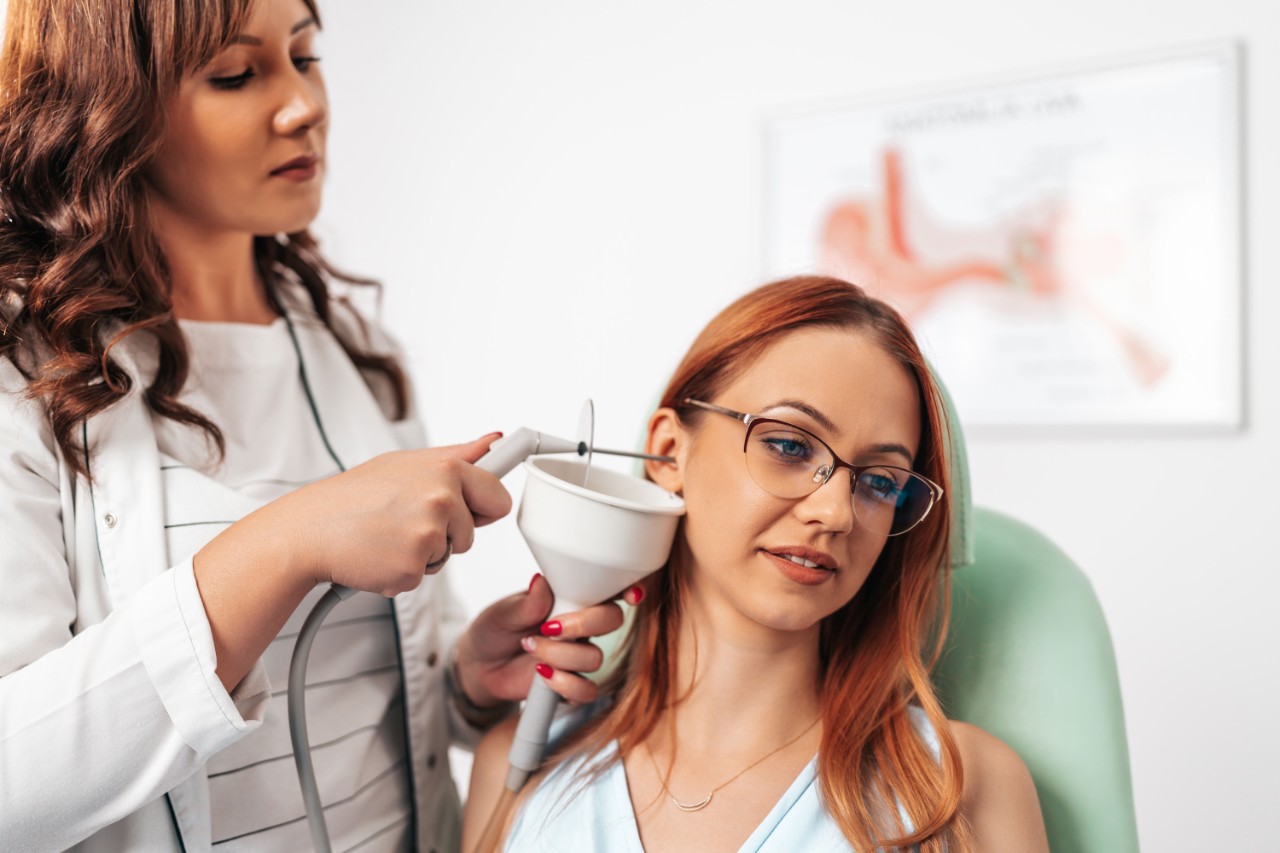
How Do Doctors Remove Ear Wax?
Doctors can remove ear wax using several methods, depending on the severity and type of blockage. No matter the technique, professionals will use a microscope to clearly visualize the ear canal and ear drum and minimize injury.
After a thorough examination, they may try one of the following approaches:
- Irrigation (Ear Flushing). For mild to moderate wax buildup, a warm saline or water solution can be gently flushed into the ear canal to loosen and wash out the wax.
- Curettage (Manual Removal). With this method, a doctor uses a specialized tool, like a curette or a loop, to manually scoop out the wax.
- Microsuction. A small, specialized vacuum device is used to suction out the earwax. This precise method is often used for cases where wax is tightly packed or near the eardrum.
- Topical Earwax Softeners. Doctors may prescribe or recommend ear drops (like carbamide peroxide or mineral oil) to soften the wax before removal.
How Do I Prepare for My Ear Wax Removal Appointment?
First of all, avoid DIY attempts; refrain from using tools or inserting objects into your ears. Once you get to your appointment, share any history of ear conditions, surgeries, or ongoing symptoms with your provider. That will help them understand which method of removal will be best for you.
Some clinics may recommend softening the wax with drops before your visit. Make sure to follow their instructions.

Get the hearing help you need
Request a hearing evaluation
Request an appointment at a hearing care provider near you.
We appreciate you reaching out to us.
Our hearing care advocates will call you shortly and help answer all your questions.


Good hearing matters


