



Our Program
Insurance Workers' Compensation: Hearing Coverage & Benefits
Approximately 24% of Americans (40 million people) are thought to have noise-induced hearing loss, permanent hearing loss caused by excessive noise.1 One of the biggest causes behind this number? Occupational noise exposure.
If your hearing loss is directly linked to your work environment, workers' compensation insurance benefits may cover your hearing evaluations, treatments, and prescription devices. Amplifon Hearing Health Care can help you get the benefits you deserve.
U.S. Workplace Hearing Loss Statistics:
- 53% of noise-exposed workers report not wearing hearing protection.2
- Roughly 28% of all workers have been exposed to hazardous noise in the workplace.2
- About 11% of workers have hearing difficulty.2
Occupational Hearing Loss: What to Watch For
Knowing these common signals of hearing loss can help you know what to look for and document:
- Trouble hearing conversations
- Muffled hearing or difficulty understanding speech
- Loss of higher-pitched sounds, such as birds chirping
- Tinnitus
- Increasing the volume on your TV or stereo.
What Is Workers' Compensation Insurance and How Does It Work?
How Workers' Compensation Works
What is a Workers' Compensation Claim?
What Does Workers' Compensation Cover?
When it comes to your hearing health, workers’ compensation benefits can extend to:
- Coverage for hearing tests
- Compensation for permanent hearing loss
- Reimbursement or coverage for hearing aids (if the hearing loss is deemed work-related)
- Personalized care plans, including vocational rehabilitation support
State-By-State: No two states have the same regulations, so it’s worth investigating what your state requires from employers. Your right to workers' compensation can also be affected by salary or status, your role in the company, the industry you’re in, and the specific work that you do. Make sure you act quickly and follow the process precisely to avoid delays!
Remember, key benefits of workers' compensation may include full or partial coverage of eligible medical expenses, with no out-of-pocket costs to the employee, and direct access to essential hearing aids.
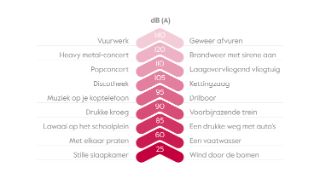
How Loud is Too Loud?
Not sure if you’re regularly being exposed to loud sounds? We break down common examples and why it’s important to wear hearing protection and limit exposure time.
Navigating Hearing Loss Workers' Compensation Claims
Work-related hearing loss often develops gradually over years of exposure to loud machinery, construction, or industrial noise. Securing hearing loss workers' compensation benefits requires documenting your work history and demonstrating a clear connection to your hearing health.
1. Track Your Exposure. Keep a running log of your workplace noise levels, employer history, and when you first noticed hearing changes. You can use the Sound Level Hearing App to track noise levels. Otherwise, smartphones sometimes have decibel trackers you can turn on.
Make sure to also note:
- When you first noticed hearing loss, using the symptoms noted above.
- History of any previous ear or hearing problems
- If you have other hobbies which involve exposure to loud noise.
2. Get an Official Diagnosis. To qualify for hearing loss workers’ compensation benefits, you’ll need an official hearing loss diagnosis from a hearing health care specialist.
3. File a Claim. Submit a formal notice filed with your employer's insurance carrier outlining your hearing loss and requesting medical coverage.
4. Get the Care You Deserve. Work with a provider experienced in workers' compensation claims, like Amplifon Hearing Health Care, to complete a comprehensive hearing evaluation and receive tailored treatment options.
Need help understanding workers’ compensation? We can help! Learn more about Amplifon’s program.
Don't let untreated hearing loss impact your quality of life. Not sure if you have hearing benefits? Use our free benefits checker and take advantage of your plan's benefits.


Get a Baseline Hearing Test
To prove a change in your hearing health, you’ll need to prove there’s been a change over time.
Schedule an appointment at a nearby clinic to get a hearing test today!
Frequently Asked Questions
Does workers' compensation cover hearing aids?
What is a workers' compensation claim?
A workers' compensation claim is a formal request submitted by an employee to receive medical coverage and income benefits for an injury or illness caused by their job. It’s a no-fault system, which means eligible employees receive medical care and wage replacement regardless of who was at fault, in exchange for relinquishing the right to sue their employer directly for negligence.
What a Claim Can Cover:
- Medical Expenses. Necessary care, doctor visits, tests, and prescription hearing aids.
- Lost Income. Partial replacement of lost wages if your condition requires time off work to recover.
- Disability Compensation. Offers financial support for temporary or permanent physical impairments resulting from job duties.
Who qualifies for hearing loss benefits?
What to do if I suspect job-related hearing loss?
Sources:
1. National Institute on Deafness and Other Communication Disorders. (2025) Noise-Induced Hearing Loss
2. National Institute for Occupational Safety and Health (NIOSH). (2026). Overall Statistics – All U.S. Industries.



Good hearing matters


